
 ADAS Mobile Plus
 ADAS HD
 Radar 3-in-1
 ADAS Pro Plus
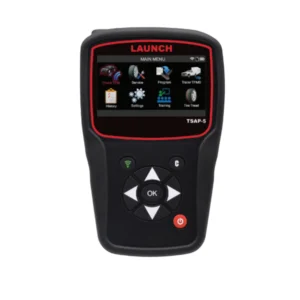 tsap-5
 TSAP-3
 Launch TPMS Sensor
 TTH-84 EV Tool Cart
 Diagnostic Add On Kit
 Modularized Wireless Equalizer – EVB 624
 EV Battery Airtightness Tester – EVT511
 EV Battery Pack Module Charging & Discharging Equipment – EVP711
 Intelligent Digital Power Supply – ELA400
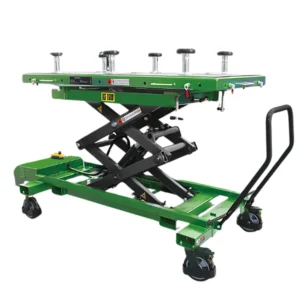 EV Battery Pack Lift – TLT615A
 EV Tool Cart – TTH116
 Professional Insulation Tester – ES200
 EV Clamp – EG100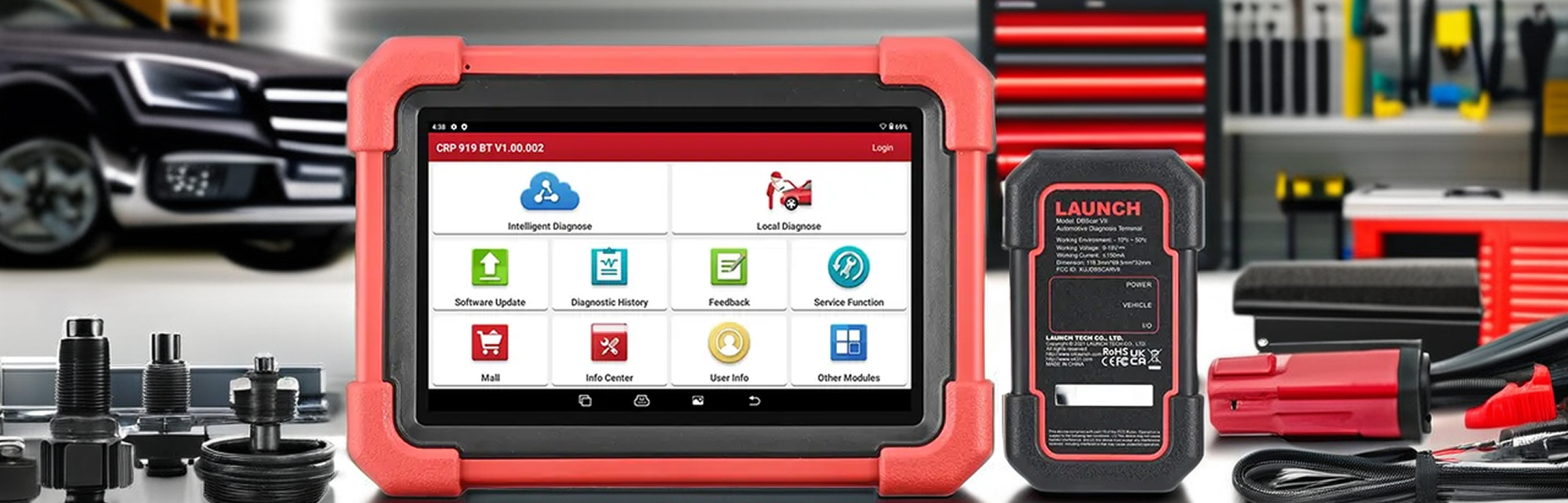
Key Features to Look for in Professional Car Diagnostic Tools
Selecting a professional car diagnostic tool is one of the most important investments a shop owner or lead technician in the USA can make. With vehicle electronics becoming more complex every year, having a basic code reader is no longer enough to run a profitable business. You need a platform that does more than just identify problems; you need a tool that helps you fix them quickly and accurately.
At Launch Tech USA, we understand that time is money in the service bay. Whether you are expanding your shop’s capabilities or upgrading your current tech stack, knowing which features actually impact your workflow is essential. If you are currently browsing our selection of professional diagnostic tools, this guide will help you identify the critical capabilities that define a true professional-grade scanner.
1. Advanced Bi-Directional Controls (Active Tests)
The ability to talk to the car is standard, but a professional tool must also command the car. Bi-Directional control allows a technician to send commands to various modules to test their operation. Instead of tearing down a door panel to see if a window motor is dead, you can use the tablet to command the window to roll up.
Why this matters for USA shops: If a customer brings in a vehicle with an AC issue, you can use active tests to engage the AC clutch. If the clutch engages via the tool, you know the mechanical part is fine, and the issue lies in the sensor or wiring. This saves hours of manual testing and prevents unnecessary parts replacement.
2. OE-Level All-System Diagnostics
Many entry-level tools only scan the Engine, Transmission, ABS, and Airbag (SRS). However, modern vehicles in the USA market feature dozens of other modules, including Body Control (BCM), Chassis, Infotainment, and ADAS.
A professional tool should provide OE-Level access. This means it can read and clear codes, view live data, and perform calibrations for every single electronic module on the vehicle. If your tool cannot see the Blind Spot Monitoring system or the electronic parking brake, you are leaving money on the table and sending customers to the dealership.
3. ECU Coding and Programming Capabilities
When you replace a component like a fuel injector, a transmission solenoid, or a headlight module on a modern vehicle, the car’s computer often doesn’t recognize the new part immediately. You have to teach the car how to use it.
Key capabilities to look for:
- ECU Coding: Matching new components to the vehicle’s system.
- Online Coding: Accessing manufacturer servers to update software or flash modules.
- Personalization: Enabling or disabling specific features, such as auto-start/stop or daytime running lights, based on customer preference.
4. Remote Diagnostic Support (SmartLink)
The automotive industry is facing a massive skills gap. Sometimes, a vehicle enters your shop with a problem that requires a specialist. A top-tier diagnostic tool should offer remote diagnostic capabilities.
Launch Tech USA leads the market with SmartLink technology. This allows a technician in California to have their vehicle scanned and programmed by an expert in New York through the tool itself. This feature effectively turns your shop into a specialist center without requiring you to hire a master programmer for every specific car brand.
5. Topology Mapping for Faster Troubleshooting
Traditional diagnostic tools show a list of modules. Professional-grade tools now offer Topology Mapping. This is a visual diagram of the vehicle’s entire electronic communication network.
It shows which modules are talking to each other and exactly where a communication break (CAN bus error) is occurring. If the Powertrain Control Module cannot talk to the Transmission Module, the topology map turns that specific line red. This visual aid allows technicians to spot wiring issues or dead modules in seconds rather than spending hours with a multimeter.
6. Intelligent Diagnostic Features (VINScan & Guided Fixes)
Speed is the primary goal of any professional tool. You shouldn’t have to manually enter the year, make, and model of every car that pulls into your bay.
- Auto-VIN Detection: The tool should instantly identify the vehicle the moment you plug it in.
- Guided Procedures: Top tools provide step-by-step instructions for complex tasks like sensor relearns or battery registration.
- Repair Databases: Many professional Launch tools integrate with repair databases to show you the top-reported fix for a specific code, helping you skip the guesswork.
7. Heavy-Duty and Specialty Vehicle Coverage
A common mistake is buying a tool that only works on passenger cars. If your shop in the USA handles F-350s, Class 8 trucks, or even agricultural equipment, you need a tool that can scale.
Look for tools that offer Add-on Modules. A truly professional platform allows you to add a Heavy-Duty software package or hardware like an Oscilloscope, Battery Tester, or Video Scope (Borescope). This modular approach ensures your tool grows as your business grows.
8. Robust Hardware and Battery Life
In the shop environment, tablets get dropped, covered in oil, and exposed to extreme heat. A professional diagnostic tool must be ruggedized.
What to check for in the hardware:
- IP65 Rating: Dustproof and waterproof.
- High-Resolution Screen: Easy to read in direct sunlight.
- Long Battery Life: At least 8–10 hours of continuous use to get through a full shift.
- Fast Processor: You don’t want to wait 60 seconds for a health report to generate while a customer is watching.
9. Secure Gateway Access (FCA, Renault, etc.)
Manufacturers have started locking their vehicle networks to prevent unauthorized access. This is known as a Secure Gateway (SGW). If your tool does not have authorized access to these gateways, you won’t be able to clear codes or perform basic maintenance on newer vehicles (especially 2018+ Jeep, Chrysler, and Dodge vehicles).
Make sure the tool you choose is officially licensed to bypass these gateways so you can continue to service the most popular vehicles on USA roads today.
10. ADAS Calibration Compatibility
Advanced Driver Assistance Systems (ADAS) like lane-keep assist and emergency braking are now standard. Whenever a windshield is replaced or a vehicle undergoes an alignment, these systems must be calibrated.
A professional diagnostic tool should act as the brain for an ADAS calibration frame. Without this software integration, your shop cannot safely return these vehicles to the road, forcing you to outsource the work and lose profit.
Choosing the Right Partner for Your Shop
Buying a diagnostic tool is about more than just the features on the box; it is about the support behind it. When you choose a tool from Launch Tech USA, you are getting a product backed by a team based right here in the USA.
We know that a tool is only as good as its latest update. That is why we constantly push new software to cover the latest models and the most difficult-to-diagnose faults. Our professional tools are designed to be the backbone of your service department.
Summary of Key Features:
- Bi-Directional Control for active component testing.
- Full System Access to ensure no module is hidden.
- Cloud-Based Programming for ECU updates.
- Visual Topology to see the big picture of the car’s health.
- Expandability to add an HD truck or Scope functions.
If you are ready to stop guessing and start fixing, invest in a tool that matches the skill level of your technicians. Explore the full range of Launch Tech USA Professional Diagnostic Tools today and give your shop the competitive edge it deserves.
Conclusion
Choosing the right professional car diagnostic tool is the best way to keep your shop profitable and ready for the modern USA automotive market. By focusing on essential features like Bi-Directional controls, Topology Mapping, and Secure Gateway access, you allow your technicians to work with speed and precision. Selecting a platform from the Launch Tech USA professional line provides your business with a rugged, expandable partner capable of handling everything from routine maintenance to complex ECU coding. Ultimately, the right tool increases bay turnover and ensures your shop can confidently service any vehicle on the road today.