Category: News & Announcements

  • Professional vs DIY Diagnostic Scan Tools

    Professional vs DIY Diagnostic Scan Tools

    Professional vs DIY Diagnostic Scan Tools

    If you have ever stood in front of a shelf full of scan tools or scrolled through pages of options online, you already know how confusing the choice can feel. There are tools priced at fifty dollars and tools priced at several thousand dollars, and both claim to do the same job. The truth is, they do not. Understanding the difference between a professional diagnostic scan tool and a DIY scan tool is the most important step you can take before spending a single dollar.

    This guide breaks it all down in plain language so you can make the right call for your situation.

    What Is a DIY Diagnostic Scan Tool?

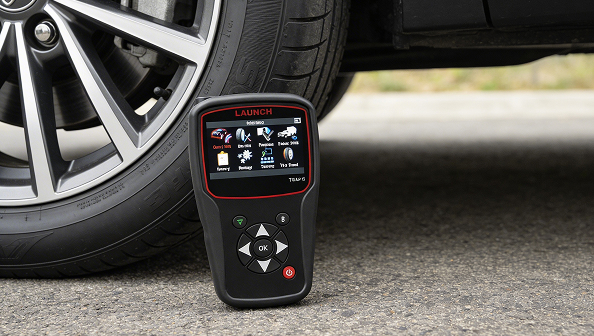
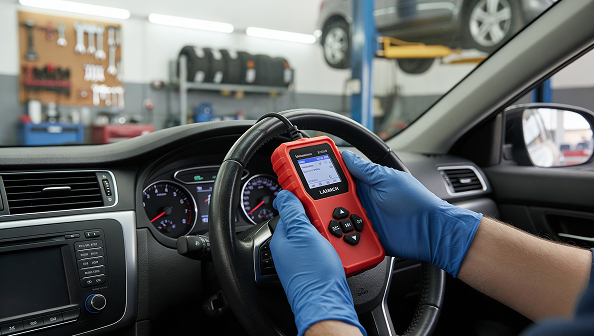
    A DIY scan tool is designed for the everyday car owner who wants to figure out why a warning light came on. These tools are affordable, compact, and simple to use. You plug them into the OBD2 port under your dashboard, and within seconds, you can read a fault code and get a basic idea of what is going on with your vehicle.

    The most common use case for a DIY tool is reading and clearing a check engine light. If you are a car owner who just wants to know whether that light means something serious or something minor before heading to a shop, a DIY scanner gives you that answer quickly.

    DIY tools are built for a single user, a single vehicle, or a small number of vehicles, and a basic level of diagnosis. They typically cover the four main OBD2 functions, including reading codes, clearing codes, viewing live data, and checking emissions readiness. That covers a lot of ground for personal use, but it is not nearly enough for professional work.

    What Is a Professional Diagnostic Scan Tool?

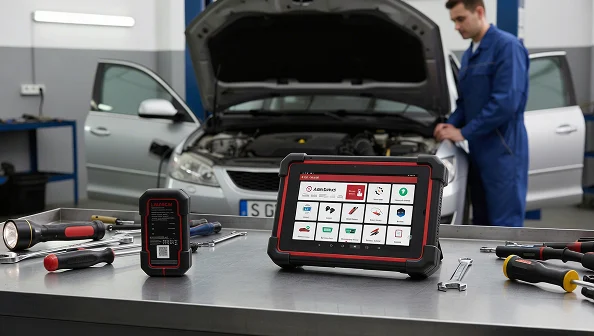
    A professional scan tool is a different category of equipment entirely. It is built for automotive technicians and shop owners who diagnose multiple vehicles every single day, across different makes, models, and model years. The depth of access is far greater, the coverage is far wider, and the functions go well beyond reading a fault code.

    A professional tool gives you access to all of the control modules in a vehicle, not just the engine and transmission. You can run active tests, program keys, reset service lights, calibrate sensors, perform bi-directional controls, and carry out advanced functions like ADAS calibration and immobilizer programming. These are things a basic DIY scanner cannot do at all.

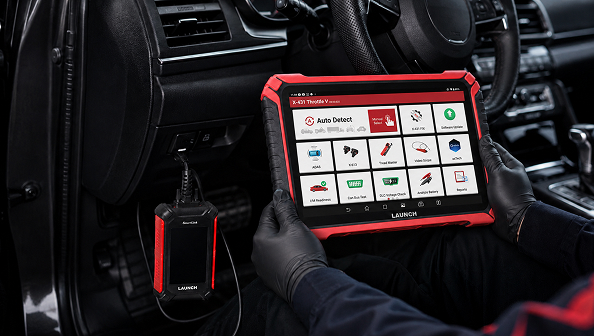
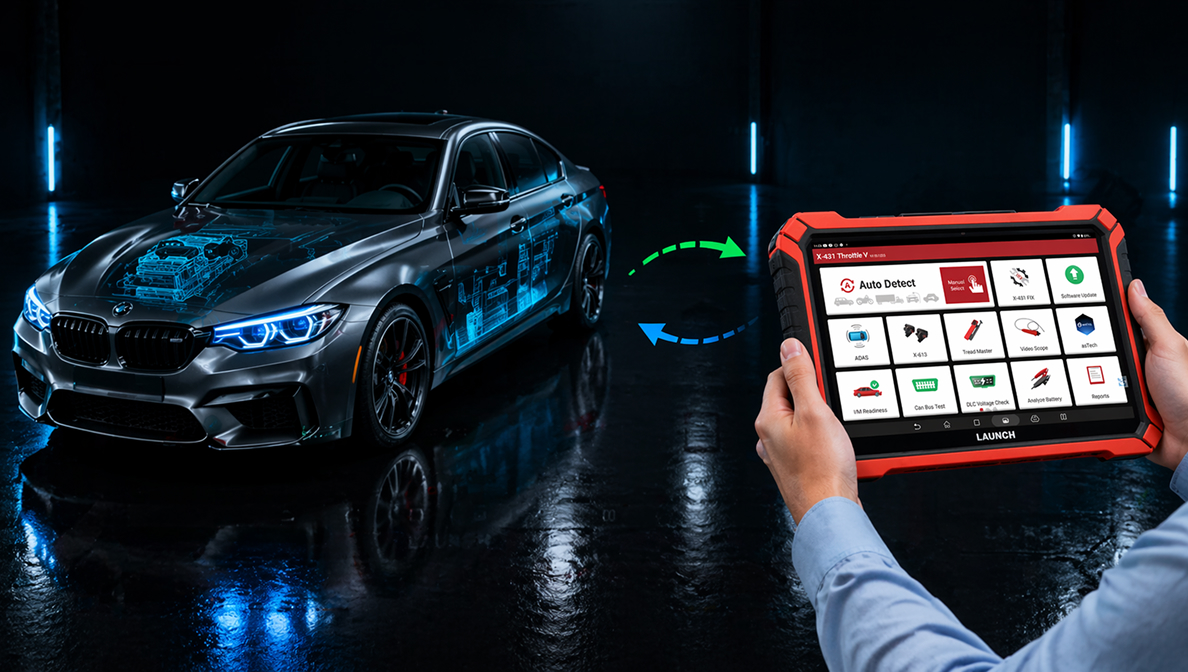
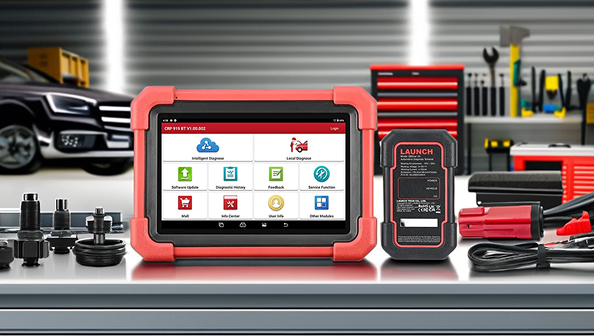
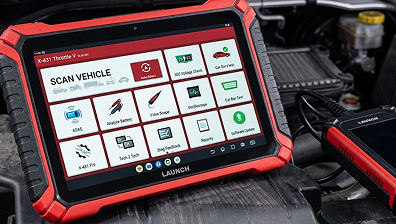
    The Launch Tech USA professional diagnostic tool lineup is built specifically for this level of work. From the X-431 Throttle V to the Torque Link and Turbo III, the professional tools from Launch Tech USA are engineered for technicians who need accurate results fast, across every vehicle in their bay.

    The Key Differences You Need to Know Before Buying

    Vehicle Coverage

    A DIY tool typically works across most OBD2-compliant vehicles from 1996 onward, but coverage becomes thin once you move past basic powertrain systems. A professional tool from a brand like Launch Tech USA covers thousands of vehicle makes and models with full system access, including manufacturer-specific systems that a basic scanner cannot reach.

    Depth of Diagnosis

    With a DIY tool, you read the code, and you look it up. With a professional tool, you run tests directly on the system that triggered the code. You can command a component to activate, measure live sensor data in real time, and pinpoint the exact source of a fault without guesswork. This level of depth is what separates a fast, accurate repair from a prolonged process of trial and error.

    Bi-Directional Control

    This is one of the clearest lines between the two categories. Bi-directional control means the tool can send commands to a vehicle’s systems, not just receive data from them. You can activate solenoids, run fuel pump tests, cycle the ABS system, and perform dozens of other tests that require the tool to communicate both ways with the vehicle. DIY tools almost never include this capability. Professional tools are built around it.

    Software Updates and Ongoing Support

    Vehicles change every year. New models, new systems, and new communication protocols are added constantly. A professional tool from Launch Tech USA receives regular software updates that keep vehicle coverage current. DIY tools sometimes offer updates, but the depth and frequency rarely match what a professional environment demands.

    Build Quality and Durability

    A professional scan tool lives in a shop environment. It gets used multiple times a day, every day, in conditions that would quickly wear out a consumer-grade device. Professional tools are built to handle that level of use. The hardware is more robust, the connectors are more durable, and the screens are designed for visibility in varying light conditions.

    So Which One Should You Buy?

    The answer depends entirely on who you are and how you plan to use the tool.

    If you own one or two vehicles and you want to check a warning light, clear a code before an emissions test, or have a basic read on your vehicle’s health, a DIY tool is the right choice. It is affordable, easy to use, and gives you the information you need for personal vehicle maintenance.

    If you are a technician, a shop owner, a fleet manager, or someone who works on multiple vehicles regularly, a professional diagnostic scan tool is not optional. It is the tool that makes your work possible. The depth of diagnosis, the system coverage, and the bi-directional functions are things you will use every single day, and a DIY tool simply cannot provide them.

    There is also a middle ground worth mentioning. Some car enthusiasts and independent mechanics who work on a wide variety of vehicles find that an entry-level professional tool gives them far more value than a top-tier DIY scanner at a similar price point. If you are regularly dealing with more than basic code reading, moving up to a professional-grade tool from Launch Tech USA is an investment that pays for itself quickly in time saved and repairs done right the first time.

    A Quick Checklist to Help You Decide

    Before you buy, ask yourself these questions.

    How many vehicles will I be working on? If the answer is more than two or three on a regular basis, a professional tool is the right fit.

    Do I need to do more than read and clear codes? If you need bi-directional testing, module programming, or system resets, a DIY tool will not cover you.

    Is vehicle coverage across multiple makes important to me? A professional tool from Launch Tech USA covers a far broader range of makes and models with full system access.

    Will I be using this tool in a commercial or professional setting? If the answer is yes, the durability and update schedule of a professional tool matter significantly.

    Do I need manufacturer-level diagnostic access? Only a professional scan tool gives you the depth needed for that level of work.

    Choosing the right scan tool is not about price alone. It is about matching the tool to the job. Launch Tech USA builds diagnostic tools across both categories, so whether you are a DIY owner who wants reliable code reading or a professional technician who needs full system access across every vehicle in the shop, there is a tool in the lineup built for exactly what you do.
  • Software Updates and Why They Matter in Scan Tools

    Software Updates and Why They Matter in Scan Tools

    Software Updates and Why They Matter in Scan Tools

    Your diagnostic scan tool is the most important piece of equipment in your shop. It is the primary link between your skills and the complex computers found in modern vehicles. At Launch Tech USA, we see our Professional Tools as an investment in your career. To get the most out of that investment, keeping the software current is essential.

    Many technicians see update notifications as a distraction. However, these updates are the key to unlocking the full potential of your device. A scan tool is only as good as the information inside it. When you stay updated, you ensure that your tool can handle the challenges of any vehicle that enters your bay.

    Understanding Software Updates

    A software update is a package of improvements sent to your tool. It makes the device smarter and more reliable. Think of your scan tool as a library of automotive knowledge. Every time a car manufacturer changes a part or adds a new system, that library needs a new book.

    When you download an update, you add new capabilities. This allows the tool to talk to newer cars and perform advanced tasks. Without these updates, your tool remains stuck in the past. It will struggle to understand the newer vehicles that your customers are driving today.

    What is Inside an Update?

    Most updates focus on a few simple areas:

    • New Vehicle Data: This adds support for the latest makes and models.
    • Feature Enhancements: This adds new abilities like faster scanning or better testing functions.
    • System Fixes: This ensures the tool runs smoothly without glitches.

    Why Updates are Vital for Today’s Shops

    Cars are changing. A single vehicle now has dozens of different computers managing the engine, transmission, brakes, and even the seats.

    Supporting the Latest Models

    Car brands release new models every year. Even if a car looks the same on the outside as last year, the software inside is often different. If you use a tool with old software, it may not recognize a brand-new car.

    When you skip updates, you limit what you can fix. You might have to turn a customer away because your tool cannot read the car’s data. Staying updated means you are ready to work on a vehicle the moment it hits the market.

    Getting Past Digital Locks

    Security is a big deal for car makers now. To prevent hacking, brands like Jeep, Ram, Ford, and Nissan use Secure Gateways. These are digital locks that stop basic tools from making changes.

    To get past these locks, your tool needs a digital handshake with the manufacturer. This requires the latest security files found in software updates. If your tool is not updated, you will be locked out. You might see the error codes, but you will not be able to clear them or finish the repair.

    Improving Accuracy

    A scan tool is a translator. It takes data from the car and explains it to you. We constantly refine these translations. We listen to feedback from technicians and improve how the tool describes problems.

    Updates ensure the information on your screen is correct. This prevents you from replacing a part that isn’t actually broken because of a misleading data reading.

    Unlocking Professional Features

    When you update your Launch Tech tool, you make it more powerful. Professional technicians rely on specific features to get work done efficiently.

    Bi-Directional Testing

    One of the best features of a professional tool is bi-directional control. This lets you send a command from the tool to the car. For example, you can tell the car to turn on a cooling fan or move a power window.

    Updates: add these tests for more systems. After an update, you might find you can now test an electronic fuel pump or a sunroof that you couldn’t test before. This saves you from taking the car apart just to see if a motor is working.

    Maintenance Resets

    Every time you change oil, replace a battery, or do a brake job on a new car, the car’s computer needs to know. These are called maintenance resets.

    Manufacturers change the steps for these resets often. Our software updates include the latest steps so you can finish the job. Without the update, you might do the mechanical work, but leave a warning light on the dashboard that you cannot turn off.

    Module Coding

    When a computer module fails, a new one often needs to be coded to the car. This is a technical task that used to be for dealers only. Updates give your Launch tool the power to do this coding in your shop. This keeps the profit in your pocket instead of sending the customer elsewhere.

    Answers to Common Questions

    Technicians often have questions about how updates affect their daily work.

    Does the tool stop working if I do not update? 

    No. Your tool will still work on the older cars it already knows. However, it will not be able to work on new cars released after your subscription ends. Over time, the tool becomes less useful as the cars on the road get newer.

    Is it hard to install updates? 

    We made the process very easy. Most professional tools update over Wi-Fi with one tap. You do not need to plug it into a computer. It is as simple as updating an app on a smartphone.

    Why does my tool feel slow? 

    If a tool feels sluggish, it might be running old software that isn’t optimized. Updates often include stability patches. These clean up the tool’s memory and make the menus move faster.

    The Cost of Staying Behind

    It is easy to see an update as an extra cost. But it is better to think about the money you lose without it.

    Think about one lost job. If a customer brings in a new truck for a brake job and you cannot retract the electronic calipers because your tool is old, you lose that money. If this happens just a few times a year, the cost of the lost work is much higher than the cost of the update.

    Also, your reputation matters. Customers want a shop that can handle any car. Being the shop that says, “I can’t scan that,” makes you look less professional. Keeping your tool updated shows you are an expert who stays prepared.

    Improving Your Workflow

    An updated tool is a faster tool. We spend a lot of time making sure our software is easy to use.

    • Faster Auto-VIN: Updates help the tool identify the car instantly, so you don’t have to type in long numbers.
    • Clearer Data: We improve how graphs and numbers look on the screen so you can spot a problem quickly.
    • Better Search: Updates often make it easier to find the specific test or reset you need.

    All of these small things add up to a lot of saved time every week.

    Conclusion

    At Launch Tech USA, our goal is to give you the best diagnostic power possible. We spend thousands of hours testing cars and writing software, so your tool stays at the top of its game.

    Software updates are the fuel for your tool. They provide the coverage you need and the features that make your job easier. By staying current, you ensure your shop is ready for any car that drives through the door.

    An updated tool is a reliable partner. It gives you the latest automotive knowledge right in your hands. Make it a habit to check for updates often. You will find that your tool and your shop will perform better every day.

  • Coding, Programming, and Reset Functions Explained

    Coding, Programming, and Reset Functions Explained

    Coding, Programming, and Reset Functions Explained

    The evolution of automotive service has shifted the primary toolkit from the toolbox to the tablet. When a technician replaces a component today, the mechanical installation is only half the battle. The car’s internal computer must be introduced to the new hardware to ensure everything operates in harmony.

    Through the advanced engineering provided by LAUNCH Tech USA, technicians can access the deep digital layers of a vehicle to finish repairs that used to be restricted to the dealership.

    Understanding Module Coding

    Coding is the way we set up a new phone or computer. When you buy a phone, you choose your language, your wallpaper, and your ringtone. You aren’t changing how the phone works, but you are telling it how to behave. In a car, coding tells the computer how to interact with the hardware. Many parts in a vehicle are built to fit ten different models. When that part is installed in one specific car, the computer needs to be coded so it knows which features to turn on.

    This ensures the software inside a new part speaks the same language as the rest of the vehicle. If a technician replaces a side mirror that has a built-in camera and a heater, the car might not know those features exist at first. Through coding, the technician tells the car’s brain that the new mirror has a heater. This creates a digital handshake between the part and the vehicle. It also allows for personalization. Many owners in the USA want their vehicles to behave in specific ways. For example, some people want their doors to lock automatically as soon as the car moves. Others want their turn signals to flash five times instead of three. LAUNCH Tech USA tools allow technicians to access these hidden settings and change them to fit the driver’s needs.

    The Role of ECU Programming

    While coding is about changing settings, programming is much deeper. Programming is the process of installing the actual software that makes a module run. If coding is like picking wallpaper for your phone, programming is like installing the entire operating system. This involves downloading and installing the actual software or firmware into a control module. While coding changes settings, programming installs the entire logic system.

    Sometimes, a control module is so badly damaged that it must be replaced with a brand-new one. Often, these new parts come from the factory completely empty. They have no instructions and no software. A technician must use a professional tool to download the correct software from the manufacturer and flash it onto the new module. Without this step, the part is just a useless plastic box. Manufacturers often find ways to make their cars better after they have already been sold. They might find a way to make the transmission shift smoother or a way to help the engine stay cool in hot weather. They release these improvements as software updates. Using equipment from LAUNCH Tech USA, a mechanic can update the car software to the latest version, solving problems without ever picking up a wrench.

    Essential Reset Functions

    After the heavy lifting of coding or programming is complete, the final step involves maintenance resets. These functions act as a bridge between the physical service and the digital dashboard. Without these, a vehicle might continue to display warning lights or operate in a restricted mode. Every car has a memory. It remembers how old the oil is, how much wear is on the brake pads, and even how you like to drive. When you fix a car, you have to tell the memory to start over.

    If you change the oil in a modern car but do not perform an oil reset, the car will continue to tell the driver that the oil is old. In some cases, the car might even limit its performance because it thinks the engine is at risk. Resets ensure that the dashboard lights stay off and the car operates based on the new parts, not the old ones. The range of LAUNCH Tech USA equipment covers dozens of these resets, making it possible for a shop to finish the job completely.

    • Brake Bleeding: Pulsing the ABS pump to remove trapped air from the lines.
    • Battery Registration: Informing the charging system that a new battery has been installed so it does not overcharge the cells.
    • Throttle Relearn: Teaching the computer the correct idle position after the intake system has been cleaned or replaced.
    • DPF Regeneration: Manually clearing the soot from diesel exhaust systems to prevent engine clogs.
    • Steering Angle Reset: After a wheel alignment, the car needs to know exactly where the center point of the steering wheel is so the stability control works correctly.

    Why Professional Grade Matters

    There are many cheap scanners available on the market, but there is a big difference between a tool that just reads codes and a professional tool. A basic scanner is like a book; it lets you read what is wrong, but it does not let you write anything back. A professional tool from LAUNCH Tech USA is a two-way street. It allows for bi-directional control. This means the technician can tell the car to turn on the cooling fan, move the windows up and down, or test the fuel injectors. This ability to command the vehicle is what makes coding, programming, and resets possible.

    In the USA, where time is money in a busy shop, having a tool that works the first time is vital. If a tool is slow or cannot access certain systems, the shop loses money, and the customer has to wait. High-quality tools are built with faster processors and better software to make sure the technician can get in, do the work, and get the car back on the road. The automotive industry is changing faster than ever. Every year, new cars come out with more sensors, more cameras, and more computers. For a mechanic, this can feel overwhelming. However, having the right partner makes it manageable.

    LAUNCH Tech USA focuses on making these complex tasks easy to understand. Their interfaces are designed to be user-friendly, using simple menus and clear instructions. You do not need to be a computer scientist to perform an ECU coding procedure or a throttle relearn. You just need a tool that guides you through the process step-by-step. When you are programming a car computer, there is no room for error. A mistake can cause the module to stop working entirely. Professional tools are built with safety protocols to ensure that the data is sent correctly. This gives the technician peace of mind, knowing that they are using a product trusted by professionals all across the USA.

    Repairing a vehicle today is a blend of physical labor and digital precision. A shop that can only do the mechanical work will eventually fall behind. By embracing coding, programming, and reset functions, a technician can provide a complete service. Whether it is matching a new transmission to the engine or simply resetting a maintenance light after a routine service, these digital steps are what define a high-quality repair. Investing in the right technology means more than just having a new gadget. It means having the capability to fix any car that drives through the door, no matter how complex its computer system may be. In the competitive landscape of the USA automotive market, that capability is the most valuable tool in the shop.

  • Bi-Directional Control in Professional Scan Tools

    Bi-Directional Control in Professional Scan Tools

    Bi-Directional Control in Professional Scan Tools

    Modern vehicle repair has evolved far beyond the mechanical era. Today, cars are essentially rolling computer networks, with every component, from the fuel pump to the sunroof, managed by an Electronic Control Unit (ECU). To fix these machines efficiently, a technician needs more than just a way to read data. You need a way to talk back to the car. This is where bi-directional control, often called active testing, changes the game for shops across the USA.

    Using professional tools from Launch Tech USA gives you the power to bypass standard switches and sensors. Instead of waiting for a component to fail during a test drive, you can command it to operate on the spot. This capability turns a standard scan tool into a remote control for the entire vehicle, allowing for a level of precision that was once only possible at a dealership.

    Defining Bi-Directional Control

    Standard diagnostic tools typically operate in a read-only capacity. They pull information out of the vehicle and show it on a screen. Bi-directional control opens a two-way street. It allows the scan tool to send a specific command to a control module, which then executes an action.

    When you initiate an active test, you are temporarily overriding the driver inputs and the internal logic of the car. If you want to know if a cooling fan works, you don’t have to wait for the engine to get hot. You simply press a button on your Launch Tech tool to turn the fan on. This immediate response confirms that the fan motor, the relay, and the wiring are all healthy.

    Core Features and System Capabilities

    The depth of bi-directional control varies depending on the quality of the tool. Professional-grade equipment provides access to almost every actuated part on a modern vehicle. These features are designed to handle the diverse range of domestic and import vehicles found in the USA.

    Powertrain and Fuel System Tests

    The engine bay is where active testing saves the most time. Technicians can perform several critical checks without even getting their hands dirty:

    • Cylinder Cutout: You can disable individual fuel injectors to see which cylinder is causing a rough idle.
    • Fuel Pump Toggle: Forcing the fuel pump to run allows you to check for leaks or verify fuel pressure instantly.
    • EVAP System Testing: You can manually open or close the vent and purge solenoids to perform a localized leak test.
    • VVT Solenoid Activation: Testing the variable valve timing solenoids helps diagnose performance issues and laggy acceleration.

    Body Control and Accessories

    Electrical ghosts in the body of a car are notoriously difficult to find. Bi-directional control simplifies this by letting you operate:

    • Exterior Lighting: Cycle the high beams, fog lights, and turn signals from the palm of your hand.
    • Power Windows and Locks: Command the motors to move to verify if a failure is in the motor or the door switch.
    • Wiper Systems: Test high and low speeds to ensure the motor and linkage are not binding.
    • Horn and Alarm: Verify the security system components are responding to the body control module.

    Advanced Chassis and Safety Functions

    Safety systems require specialized commands that standard scanners cannot provide. Launch Tech USA tools allow you to:

    • ABS Brake Bleeding: Many modern cars require the ABS pump to run to purge air from the lines. An active test is the only way to do this.
    • Electronic Parking Brake (EPB): You can retract the rear calipers electronically to perform a brake pad change safely.
    • Steering Angle Reset: After an alignment, you can recalibrate the steering sensor so the stability control functions correctly.

    Why Launch Tech USA Tools Lead the Market

    A scan tool is only as good as the software driving it. Launch Tech USA focuses on providing “deep” bi-directional control, meaning our tools can perform the same tests as the original factory equipment used by manufacturers.

    Unmatched Processing Speed

    When you send a command to a vehicle, you need an instant response. Our professional tools feature high-speed internal processors that eliminate communication lag. This ensures that when you toggle a relay on, the car reacts immediately, giving you a clear and accurate diagnostic result.

    Comprehensive Diagnostic Coverage

    Vehicles in the USA come from every corner of the globe. Our software is updated constantly to include bi-directional support for the latest models, including electric vehicles and hybrids. Whether you are working on a heavy-duty truck or a compact import, you have the commands you need.

    Safety Guardrails

    Active testing involves moving mechanical parts, which carries a bit of risk. Launch Tech software includes built-in safety prompts. The tool will warn you if certain conditions aren’t met such as ensuring the engine is off before testing a cooling fan to protect both the technician and the vehicle.

    Solving the “Parts Changing” Problem

    The most expensive mistake a shop can make is replacing a part that isn’t broken. This usually happens because a technician sees a code for a failed sensor and assumes the sensor is bad. In reality, the wiring could be chewed by a rodent or the connector could be corroded.

    Bi-directional control stops this cycle. If you have a code for a radiator fan and you use the scan tool to turn it on, and the fan spins, you have just saved yourself from buying a fan that wasn’t needed. You now know the problem is upstream, likely a temperature sensor or a logic error in the computer. This accuracy builds massive trust with your customers and keeps your shop’s reputation high.

    Real-World Diagnostic Scenario: The Dead Power Seat

    A vehicle arrives with a driver’s seat that won’t move forward or back. The customer thinks the motor is dead, which is a very expensive repair.

    1. Manual Check: You try the switch on the side of the seat. Nothing happens.
    2. The Bi-Directional Test: You plug in your Launch Tech tool and enter the Body Control Module. You select “Driver Seat Forward.”
    3. The Result: The seat moves forward perfectly.

    In less than three minutes, you have proven the motor is fine. The issue is actually a broken plastic clip inside the seat switch. You saved the customer hundreds of dollars in parts and fixed the car in a fraction of the time. This is the efficiency that bi-directional control brings to the bay.

    Improving Workflow and Profitability

    In the USA, shop labor rates are high, and customers expect fast turnaround times. Bi-directional control is a productivity multiplier. It allows one technician to do the work of two. You don’t need a second person to sit in the car and pump the brakes or flip the light switch while you watch for a response. You can stand at the front of the car and control every function from your tool.

    By streamlining the diagnostic process, you can take on more jobs per day. You also reduce the number of comebacks, those frustrating situations where a car returns because the initial repair didn’t actually fix the root cause.

    The Ultimate Toolbox Essential

    Every technician has a favorite wrench or a reliable socket set, but in the modern era, the most powerful tool is the one that talks to the car. Bi-directional control represents the transition from mechanical repair to digital mastery.

    • Isolate Problems: Narrow down faults to the exact wire or component.
    • Save Time: Perform tests in seconds that used to take an hour.
    • Increase Accuracy: Stop guessing and start knowing exactly what is broken.

    These capabilities are the foundation of a successful modern shop. They provide the evidence needed to make confident repair recommendations and ensure that every vehicle leaves the shop in peak condition.

    A Higher Standard of Service

    Having the ability to perform active testing is what separates a basic repair shop from a professional diagnostic center. It shows that you are invested in the best technology and that you value your customers’ time and money. We hope this look into bi-directional control has shown you just how much potential is hidden inside your diagnostic equipment.

    Launch Tech USA is proud to support the hardworking technicians across the USA by providing the most advanced bi-directional tools available. When you have the power to command the vehicle, you have the power to fix it right the first time. We are committed to helping you master these features so you can continue to provide top-tier service in an ever-changing industry.

    Explore our full range of professional tools and take command of your shop diagnostics today.

  • Live Data, Freeze Frame, and Graphing Explained

    Live Data, Freeze Frame, and Graphing Explained

    Live Data, Freeze Frame, and Graphing Explained

    If you have ever spent a long afternoon under the hood of a car trying to figure out why a light is on or why the engine is stumbling, you know that a simple error code is rarely enough. To get to the bottom of a complex vehicle issue, you need a clearer picture of what is happening inside the computer. This is where live data, freeze frame, and graphing become your most valuable assets. These are not just technical terms but the primary tools that modern technicians use to stop guessing and start fixing.

    When you use professional tools from Launch Tech USA, you get a direct window into the vehicle operation. Understanding how to use these features will transform how you approach every repair job in the USA.

    The Power of Live Data

    Live data is the continuous stream of information sent from the vehicle sensors to the control module while the car is running. Think of it as a heart monitor for the vehicle. Instead of looking at a static code, you are watching the actual performance of the engine, transmission, and braking systems as they function.

    Why Live Data is Essential

    A diagnostic trouble code might tell you that a sensor is out of range, but live data shows you exactly how that sensor is behaving. If you suspect a vacuum leak, you can watch the fuel trim numbers in real time. If those numbers change drastically when you spray a little cleaner around the intake manifold, you have found your problem without ever taking a part off the car.

    Using this feature allows you to verify that the sensors are communicating properly. It helps you identify parts that are starting to fail even before they are bad enough to trigger a warning light on the dashboard.

    Key Information Points to Monitor

    • Engine speed to check for consistent idling
    • Coolant temperature to ensure the thermostat is opening correctly
    • Air flow readings to verify the intake system is clean
    • Fuel trim percentages to see how the computer is balancing the air and fuel mixture

    Capturing the Moment with Freeze Frame

    One of the most frustrating parts of being a technician is trying to fix a problem that only happens once in a while. This is where freeze-frame data becomes a lifesaver. When the vehicle computer detects a fault and sets a code, it takes a digital snapshot of all the sensor readings at that exact microsecond.

    Solving Intermittent Issues

    If a customer says their car only acts up when they are accelerating onto the highway on a cold morning, you might not be able to replicate that in the shop. By looking at the freeze frame data, you can see the exact vehicle speed, engine load, and temperature at the moment the fault occurred.

    This information acts like a witness to the event. It tells you if the car was moving or sitting still, if the engine was hot or cold, and exactly what the sensors were reporting when the failure happened. This saves hours of diagnostic time because you no longer have to drive the car for miles, hoping the problem happens again.

    Visualizing the Problem with Graphing

    Numbers are great, but sometimes they move too fast for the human eye to track. Graphing takes those digital numbers from the live data stream and turns them into a visual line or waveform. This is one of the most advanced capabilities of modern diagnostic tools, and it is essential for finding electrical glitches.

    Seeing the Waveform

    Components like oxygen sensors or throttle position sensors change their output very quickly. If you just look at the numbers, you might miss a tiny drop in voltage that causes a stumble. When you graph that data, a steady wave or a smooth line appears on the screen. If there is a flat spot or a sudden spike in that line, you have visual proof of a failing component.

    Launch Tech USA tools allow you to overlay different graphs on top of each other. You can watch the relationship between the throttle pedal and the engine response at the same time. If the pedal moves up but the engine response lags behind on the graph, you have found a clear path to the repair.

    How These Features Work Together in the Shop

    To see how these capabilities improve your workflow, consider a car with a rough idle.

    First, you look at the live data to see which cylinder is misfiring. Then, you check the freeze frame data to see if it happened while the car was in park or while it was under load. Finally, you graph the ignition system data to see if the spark is consistent. By the time you pick up a wrench, you already know exactly which part needs to be replaced. This level of precision is why professional tools are a requirement for any serious shop in the USA.

    Features and Capabilities of Launch Tech USA Tools

    Launch Tech USA builds diagnostic equipment specifically for the high demands of professional environments. The software is designed to be fast and intuitive, so you can get the data you need without scrolling through endless menus.

    High Speed Processing

    Data is only useful if it is accurate. Our tools use high-speed processors to ensure that the live data and graphs are updated instantly. This prevents the lag that you often find in cheaper, consumer-grade scanners. When a sensor spikes, you see it the moment it happens.

    Data Recording and Playback

    Some problems only show up during a long road test. Our tools allow you to record the live data stream while you are driving. You can then bring the tool back into the shop and play the recording back slowly. You can pause the data, zoom in on the graphs, and find the exact moment a sensor went out of range.

    Extensive Vehicle Coverage

    Our tools provide deep access to manufacturer-specific data. This means you get more than just the basic engine info. You can see live data for the transmission, the anti-lock braking system, the airbags, and even the climate control system. Having this level of detail allows you to offer more services to your customers and handle more complex repairs.

    Making Better Repairs with Better Data

    The goal of every repair is to get the vehicle back on the road as quickly and safely as possible. By using live data, freeze frame, and graphing, you move away from the old method of swapping parts and hoping for the best.

    • Use live data to see the current health of the vehicle
    • Use freeze frame to understand the history of the fault
    • Use graphing to see the patterns that numbers alone cannot show

    These features are the foundation of modern diagnostics. They allow you to provide a higher level of service and build trust with your customers by showing them exactly what is wrong with their vehicle.

    Professional Results Every Time

    Understanding these three pillars of vehicle communication is what makes you a better technician. You are no longer just reading code, but you are actually interpreting the behavior of the machine. We hope this guide has cleared up any confusion about how to use these powerful features to your advantage.

    Launch Tech USA is proud to provide the tools that make this level of detail possible for shops across the USA. When you have the right technology in your hands, no diagnostic challenge is too difficult. You now have the knowledge to use these features to their full potential and ensure every vehicle you service is repaired with total accuracy.

  • Key Features to Look for in Professional Car Diagnostic Tools

    Key Features to Look for in Professional Car Diagnostic Tools

    Key Features to Look for in Professional Car Diagnostic Tools

    Selecting a professional car diagnostic tool is one of the most important investments a shop owner or lead technician in the USA can make. With vehicle electronics becoming more complex every year, having a basic code reader is no longer enough to run a profitable business. You need a platform that does more than just identify problems; you need a tool that helps you fix them quickly and accurately.

    At Launch Tech USA, we understand that time is money in the service bay. Whether you are expanding your shop’s capabilities or upgrading your current tech stack, knowing which features actually impact your workflow is essential. If you are currently browsing our selection of professional diagnostic tools, this guide will help you identify the critical capabilities that define a true professional-grade scanner.

    1. Advanced Bi-Directional Controls (Active Tests)

    The ability to talk to the car is standard, but a professional tool must also command the car. Bi-Directional control allows a technician to send commands to various modules to test their operation. Instead of tearing down a door panel to see if a window motor is dead, you can use the tablet to command the window to roll up.

    Why this matters for USA shops: If a customer brings in a vehicle with an AC issue, you can use active tests to engage the AC clutch. If the clutch engages via the tool, you know the mechanical part is fine, and the issue lies in the sensor or wiring. This saves hours of manual testing and prevents unnecessary parts replacement.

    2. OE-Level All-System Diagnostics

    Many entry-level tools only scan the Engine, Transmission, ABS, and Airbag (SRS). However, modern vehicles in the USA market feature dozens of other modules, including Body Control (BCM), Chassis, Infotainment, and ADAS.

    A professional tool should provide OE-Level access. This means it can read and clear codes, view live data, and perform calibrations for every single electronic module on the vehicle. If your tool cannot see the Blind Spot Monitoring system or the electronic parking brake, you are leaving money on the table and sending customers to the dealership.

    3. ECU Coding and Programming Capabilities

    When you replace a component like a fuel injector, a transmission solenoid, or a headlight module on a modern vehicle, the car’s computer often doesn’t recognize the new part immediately. You have to teach the car how to use it.

    Key capabilities to look for:

    • ECU Coding: Matching new components to the vehicle’s system.
    • Online Coding: Accessing manufacturer servers to update software or flash modules.
    • Personalization: Enabling or disabling specific features, such as auto-start/stop or daytime running lights, based on customer preference.

    4. Remote Diagnostic Support (SmartLink)

    The automotive industry is facing a massive skills gap. Sometimes, a vehicle enters your shop with a problem that requires a specialist. A top-tier diagnostic tool should offer remote diagnostic capabilities.

    Launch Tech USA leads the market with SmartLink technology. This allows a technician in California to have their vehicle scanned and programmed by an expert in New York through the tool itself. This feature effectively turns your shop into a specialist center without requiring you to hire a master programmer for every specific car brand.

    5. Topology Mapping for Faster Troubleshooting

    Traditional diagnostic tools show a list of modules. Professional-grade tools now offer Topology Mapping. This is a visual diagram of the vehicle’s entire electronic communication network.

    It shows which modules are talking to each other and exactly where a communication break (CAN bus error) is occurring. If the Powertrain Control Module cannot talk to the Transmission Module, the topology map turns that specific line red. This visual aid allows technicians to spot wiring issues or dead modules in seconds rather than spending hours with a multimeter.

    6. Intelligent Diagnostic Features (VINScan & Guided Fixes)

    Speed is the primary goal of any professional tool. You shouldn’t have to manually enter the year, make, and model of every car that pulls into your bay.

    • Auto-VIN Detection: The tool should instantly identify the vehicle the moment you plug it in.
    • Guided Procedures: Top tools provide step-by-step instructions for complex tasks like sensor relearns or battery registration.
    • Repair Databases: Many professional Launch tools integrate with repair databases to show you the top-reported fix for a specific code, helping you skip the guesswork.

    7. Heavy-Duty and Specialty Vehicle Coverage

    A common mistake is buying a tool that only works on passenger cars. If your shop in the USA handles F-350s, Class 8 trucks, or even agricultural equipment, you need a tool that can scale.

    Look for tools that offer Add-on Modules. A truly professional platform allows you to add a Heavy-Duty software package or hardware like an Oscilloscope, Battery Tester, or Video Scope (Borescope). This modular approach ensures your tool grows as your business grows.

    8. Robust Hardware and Battery Life

    In the shop environment, tablets get dropped, covered in oil, and exposed to extreme heat. A professional diagnostic tool must be ruggedized.

    What to check for in the hardware:

    • IP65 Rating: Dustproof and waterproof.
    • High-Resolution Screen: Easy to read in direct sunlight.
    • Long Battery Life: At least 8–10 hours of continuous use to get through a full shift.
    • Fast Processor: You don’t want to wait 60 seconds for a health report to generate while a customer is watching.

    9. Secure Gateway Access (FCA, Renault, etc.)

    Manufacturers have started locking their vehicle networks to prevent unauthorized access. This is known as a Secure Gateway (SGW). If your tool does not have authorized access to these gateways, you won’t be able to clear codes or perform basic maintenance on newer vehicles (especially 2018+ Jeep, Chrysler, and Dodge vehicles).

    Make sure the tool you choose is officially licensed to bypass these gateways so you can continue to service the most popular vehicles on USA roads today.

    10. ADAS Calibration Compatibility

    Advanced Driver Assistance Systems (ADAS) like lane-keep assist and emergency braking are now standard. Whenever a windshield is replaced or a vehicle undergoes an alignment, these systems must be calibrated.

    A professional diagnostic tool should act as the brain for an ADAS calibration frame. Without this software integration, your shop cannot safely return these vehicles to the road, forcing you to outsource the work and lose profit.

    Choosing the Right Partner for Your Shop

    Buying a diagnostic tool is about more than just the features on the box; it is about the support behind it. When you choose a tool from Launch Tech USA, you are getting a product backed by a team based right here in the USA.

    We know that a tool is only as good as its latest update. That is why we constantly push new software to cover the latest models and the most difficult-to-diagnose faults. Our professional tools are designed to be the backbone of your service department.

    Summary of Key Features:

    1. Bi-Directional Control for active component testing.
    2. Full System Access to ensure no module is hidden.
    3. Cloud-Based Programming for ECU updates.
    4. Visual Topology to see the big picture of the car’s health.
    5. Expandability to add an HD truck or Scope functions.

    If you are ready to stop guessing and start fixing, invest in a tool that matches the skill level of your technicians. Explore the full range of Launch Tech USA Professional Diagnostic Tools today and give your shop the competitive edge it deserves.

    Conclusion 

    Choosing the right professional car diagnostic tool is the best way to keep your shop profitable and ready for the modern USA automotive market. By focusing on essential features like Bi-Directional controls, Topology Mapping, and Secure Gateway access, you allow your technicians to work with speed and precision. Selecting a platform from the Launch Tech USA professional line provides your business with a rugged, expandable partner capable of handling everything from routine maintenance to complex ECU coding. Ultimately, the right tool increases bay turnover and ensures your shop can confidently service any vehicle on the road today.

  • Universal vs Manufacturer-Specific Scan Tools

    Universal vs Manufacturer-Specific Scan Tools

    Universal vs Manufacturer-Specific Scan Tools

    Every technician knows that a diagnostic tool is the most important teammate in the garage. Whether you run a high-volume independent shop in the USA or specialize in high-end European imports, you have likely asked yourself a big question. Should I invest in a universal scan tool or stick with manufacturer-specific equipment?

    At Launch Tech USA, we have spent decades developing the technology that sits in the hands of mechanics across the country. We understand that this isn’t just about buying a new gadget. It is about your shop’s efficiency, your profit margins, and your ability to say yes to every customer who walks through the door.

    This guide breaks down the differences between these two types of tools and shows you why the right choice can transform your daily workflow.

    Understanding the Basics

    Before we dive into the comparison, we should define exactly what we are talking about.

    What is a Manufacturer-Specific Scan Tool (OEM)?

    A manufacturer-specific tool, often called an OEM tool, is built for one specific brand. If you work exclusively on Fords, you use a Ford-specific tool. It offers deep access to that brand’s proprietary systems. This allows for complex coding and programming that generic tools sometimes miss.

    What is a Universal Scan Tool?

    A universal scan tool is engineered to communicate with many different makes and models. However, universal does not mean basic. Professional-grade universal tools, like ourprofessional diagnostic tools, are built to provide deep levels of access across hundreds of different brands.

    Universal vs. Manufacturer-Specific: The Head-to-Head Comparison

    To help you decide which direction to take, let’s look at how these tools perform in real-world shop environments.

    1. Coverage and Versatility

    If a customer brings in a Chevy in the morning and a BMW in the afternoon, a manufacturer-specific tool forces you to switch equipment. Even worse, you might have to turn the job away.

    A high-end universal tool is the most versatile piece of equipment in the garage. For shops in the USA that see a massive variety of domestic, Asian, and European vehicles, having one tool that handles all of them is a massive advantage. You save time because you don’t have to learn five different interfaces.

    2. Depth of Diagnostics

    In the past, OEM tools held the crown for deep-level programming. However, that gap is closing fast. Modern professional tools from Launch Tech USA now offer bi-directional controls, ECU coding, and resets that used to be exclusive to dealership tools. While an OEM tool is very deep for one brand, a professional universal tool is deep across almost every brand on the road.

    3. Cost and ROI (Return on Investment)

    Buying an OEM tool for every brand you service is financially impossible for most independent shops. Each one requires its own hardware, software licenses, and expensive annual updates.

    A universal tool offers a much higher return on your investment. You pay for one device and one software subscription. This covers the vast majority of the vehicles on the road. For most USA shop owners, this is the most logical path to making more money.

    4. Speed and Ease of Use

    OEM tools can be notoriously clunky and slow to boot up. They are designed for dealership environments where time is billed differently. In a fast-paced independent shop, you need a tool that boots up in seconds. You need to scan all modules quickly and get a clear report you can show the customer. Universal tools are built for this exact speed.

    Why Launch Tech USA Bridges the Gap

    At Launch Tech, we don’t think you should have to choose between versatility and power. Our professional tools are designed to give you the best of both worlds.

    We develop our software by working closely with vehicle data. We ensure that when you plug in a Launch tool, you aren’t just getting generic codes. You are getting deep-system access, live data graphing, and the ability to perform complex functions like brake bleeding, DPF regens, and key programming.

    We focus on the needs of the modern technician. We know you need a rugged tool that survives a drop on a concrete floor. You also need software that stays updated with the latest 2024 and 2025 vehicle models.

    Common Questions from Technicians 

    Can a universal tool really do everything an OEM tool can? 

    For about 95% of daily repair tasks, the answer is yes. While some very specific, high-level ECU flashing might still require an OEM interface, a professional Launch tool handles the coding, adaptations, and diagnostics that make up the bulk of your revenue.

    Are universal tools hard to update? 

    Not anymore. Gone are the days of plugging into a PC. Our tools update via Wi-Fi with one click. This ensures you always have the latest USA vehicle coverage.

    Which is better for a mobile mechanic? 

    A universal tool is the only choice for a mobile mechanic. You cannot haul ten different laptops and modules to a roadside job. You need one reliable tablet that covers everything.

    Which One Should You Choose?

    Choose a Manufacturer-Specific Tool if

    • You only work on one brand, like a dedicated Porsche or VW shop.
    • You perform high-level module programming that requires a direct factory link every single day.

    Choose a Professional Universal Tool if

    • You run an independent shop and want to service any car that pulls into your bay.
    • You want to maximize your budget without sacrificing diagnostic power.
    • You need a fast, user-friendly interface that helps you fix cars quicker.

    Elevate Your Shop’s Potential

    The choice between universal and manufacturer-specific tools comes down to how you want to run your business. If you want the freedom to work on a Ford, a Toyota, and a Mercedes all with the same device, then a universal tool is your winner.

    At Launch Tech USA, we pride ourselves on providing the highest standard in universal diagnostics. We don’t just give you a code reader. We give you a complete diagnostic workstation.

    Ready to upgrade your shop’s capabilities? Explore our full range of Professional Diagnostic Tools and see why thousands of technicians across the USA trust Launch Tech to get the job done right the first time.

    Don’t let your tools limit your talent. Choose the power of versatility.

  • Heavy-Duty vs Passenger Car Diagnostic Tools

    Heavy-Duty vs Passenger Car Diagnostic Tools

    Heavy-Duty vs Passenger Car Diagnostic Tools

    The complexity of a vehicle is no longer defined just by its size, but by the sophisticated computer networks running beneath the hood. Whether you are managing a fleet of long-haul freight trucks or operating a local repair shop for sedans and SUVs, having the right diagnostic equipment is the difference between a quick fix and hours of guesswork.

    At Launch Tech USA, we understand that technicians across the USA require precision instruments tailored to their specific market. While both heavy-duty and passenger car scanners serve the same fundamental purpose, communicating with a vehicle’s Electronic Control Units, the technology, protocols, and hardware required for each are worlds apart.

    Understanding these differences is essential for any shop owner looking to invest in professional diagnostic tools. This guide explores the critical distinctions between heavy-duty and passenger car diagnostics and why choosing the right tool from Launch Tech is a game-changer for your business.

    The Core Difference is the Language the Vehicle Speaks

    The most significant difference between a standard passenger car scanner and a heavy-duty tool is the protocol they use to communicate.

    For passenger cars in the USA, the standard is OBD-II. Since 1996, almost every car sold in the USA uses this 16-pin connector and follows similar communication protocols. This makes it relatively easy for a single professional tool to cover a wide variety of brands like Ford, Chevrolet, Toyota, and BMW.

    Heavy-duty vehicles operate on entirely different standards. Instead of OBD-II, trucks, buses, and construction equipment typically use J1939 or J1708 protocols. These systems are designed to handle the massive amounts of data generated by industrial engines, complex air brake systems, and multi-axle configurations. A general-purpose passenger car scanner simply cannot talk to these systems. This is why Launch Tech develops specialized software and hardware interfaces specifically for the heavy-duty sector.

    Hardware Built for the Toughest Jobs

    When you look at the Launch Tech USA lineup, you will notice that heavy-duty tools are built with a different level of ruggedness.

    • Different Connectors: While passenger cars use the universal 16-pin plug, heavy-duty vehicles often use 6-pin or 9-pin Deutsch connectors. Professional-grade kits from Launch Tech often include a variety of adapters to ensure you can connect to everything from a Freightliner to a Caterpillar engine.
    • Voltage Requirements: Passenger cars operate on 12V systems. Heavy-duty trucks often utilize 24V systems. If you try to use a cheap, standard car scanner on a 24V truck system, you risk damaging the tool. Launch Tech professional tools are engineered to handle these higher voltage demands safely.


    How Diagnostic Capabilities Vary by Vehicle Type

    While passenger car diagnostics focus on driver comfort and safety systems, heavy-duty diagnostics prioritize industrial performance and emissions compliance to keep commercial fleets on the road. The specialized software required for each vehicle class ensures that technicians can access the specific deep-level data needed for a successful repair.

    Passenger Car Diagnostics

    For the average sedan or light-duty pickup, a professional tool focuses on systems like the engine, transmission, ABS, and Airbags. Modern cars also require special functions such as oil resets, electronic parking brake retraction, and steering angle sensor calibration. Launch Tech USA provides industry-leading coverage for these consumer-facing features, allowing shops to turn over cars quickly.

    Heavy-Duty Diagnostics

    In the world of heavy-duty trucking, the stakes are higher. A truck sitting in a shop is a truck that isn’t making money. Diagnostic tools for this segment must go much deeper into the functional side of the vehicle:

    • DPF Regeneration: Forced diesel particulate filter regens are a daily necessity for diesel technicians.
    • AdBlue and DEF Testing: Monitoring the emissions fluid systems to prevent limp mode.
    • Cylinder Cut-out Tests: Essential for identifying which specific injector or cylinder is misfiring in a massive engine.
    • Transmission Adaptation: Calibrating complex automated manual transmissions common in modern heavy-duty fleets.


    Why a Generic Approach Fails Professional Technicians

    Many shop owners ask if they can just buy one tool for everything. While Launch Tech offers versatile tablets that can be expanded with heavy-duty modules, the software architecture remains distinct. Using a passenger car tool on a heavy-duty vehicle, even with an adapter, is like trying to read a technical manual in a language you only half-understand. You might see a code, but you won’t get the bi-directional control needed to actually fix the problem.

    By investing in dedicated professional tools from Launch Tech USA, you ensure that your technicians have the specific bi-directional tests and wiring diagrams required for the vehicle class they are working on.

    The Role of Launch Tech in the USA Repair Industry

    Launch Tech has established itself as a cornerstone of the USA automotive repair industry. We do not just sell tools; we provide solutions that are tested in real-world American shops. Our software updates are frequent, ensuring that when a new model hits the road in the USA, your shop is ready to service it.

    Our commitment to the USA market means our interface is intuitive, our technical support is local, and our hardware is designed to survive the grease and drops of a busy American garage.

    Real User Query Regarding Tool Compatibility

    We often hear from technicians who are frustrated that their high-end car scanner will not pull codes from a semi-truck. The answer lies in the Gateway and Protocol.

    A Class 8 truck does not just have a different plug; it sends data at different speeds and via different pathways than a Ford F-150. Furthermore, heavy-duty vehicles are often modular. The engine might be made by Cummins, the transmission by Eaton, and the brakes by Bendix. A passenger car tool expects one manufacturer to control everything, whereas a Launch Tech heavy-duty tool is programmed to talk to each of these individual component manufacturers separately.

    Common Questions About Vehicle Diagnostics


    Can I use a Launch Tech car tool on a heavy truck with an adapter?

    No, not effectively. While an adapter might allow the tool to physically plug into the port, the software protocols are different. To scan heavy-duty vehicles, you need a Launch Tech tool specifically equipped with heavy-duty software and the appropriate communication interface.

    Is Light-Duty the same as Passenger Car?

    In the USA, light-duty usually refers to Class 1-3 vehicles like cars, SUVs, and smaller pickup trucks. Heavy-duty refers to Class 7-8 semi-trucks. There is also a Medium-Duty category which often requires the specialized software found in Launch Tech professional heavy-duty kits.

    Why are heavy-duty diagnostic tools more expensive?

    The cost reflects the complexity of the software. Heavy-duty tools must cover dozens of different engine, transmission, and braking manufacturers, each with proprietary codes. Launch Tech USA invests heavily in engineering to ensure these tools can perform high-level tasks like injector coding and DPF resets.

    Do I need an internet connection to use my Launch Tech tool?

    For the initial download of software and for updates, yes. However, most diagnostic functions on Launch Tech professional tools can be performed offline, which is vital for technicians working in remote areas or large fleet yards across the USA.

    Does Launch Tech USA offer support for its tools?

    Yes. Launch Tech USA provides dedicated support for our customers. When you purchase a genuine professional tool, you get the peace of mind that comes with a USA-based warranty and technical assistance.

    Conclusion 

    Choosing between heavy-duty and passenger car diagnostic tools comes down to your business model. If you want to be a versatile shop that never turns a customer away, exploring the professional tools category at Launch Tech USA is the first step.

    By equipping your team with the right Launch Tech gear, you are not just buying a scanner you are buying the ability to diagnose accurately, repair faster, and keep the wheels of the USA moving. Do not let a protocol mismatch stand in the way of your shop’s success. Choose Launch Tech USA for precision, durability, and industry-leading vehicle coverage.

  • Diagnostic Scan Tools Compatible with Most Car Brands

    Diagnostic Scan Tools Compatible with Most Car Brands

    Diagnostic Scan Tools Compatible with Most Car Brands

    Fixing a car used to be about listening for a rattle or looking for a leak. Today, cars are high-tech machines with dozens of computers hidden under the hood and inside the cabin. When a Check Engine light or a Service ABS warning pops up, it is the car’s way of asking for help in a language that requires a special translator.

    For repair shops and car enthusiasts in the USA, having a separate tool for every brand like Ford, Toyota, or BMW is simply not practical. You need Diagnostic Scan Tools Compatible with Most Car Brands. At Launch Tech USA, we design these universal tools to help you diagnose, repair, and maintain almost any vehicle that rolls into your shop.

    What is a Multi-Brand Diagnostic Scan Tool?

    A diagnostic scan tool is a device that connects to your car’s On-Board Diagnostics (OBD-II) port. Every car sold in the USA after 1996 has this port, usually found under the steering wheel. While basic readers only tell you why the engine light is on, a professional multi-brand tool talks to every system in the car from the transmission and brakes to the airbags and air conditioning.

    The Multi-Brand part is the most important. It means the tool has software inside it for hundreds of different car makes from America, Asia, and Europe. Instead of buying ten different scanners, one Launch Tech tool can handle almost everything.

    Why Compatibility Matters for Your Shop

    If you run a business, time is money. If you have to tell a customer, I cannot fix your car because I do not have the right scanner, they will go to your competitor. Using tools compatible with most car brands allows you to say Yes to every job.

    1. Save Money on Equipment

    Buying dealer-only tools for every brand is expensive. A single professional tool from Launch Tech USA provides nearly the same power for a fraction of the cost. It covers the 98% of vehicles you see every day on American roads.

    2. Speed Up Your Work

    When a tool is compatible with most brands, the menus and buttons stay the same. You do not have to learn a new system every time a different car brand enters the bay. This consistency helps you find the problem and fix it faster.

    3. Build Trust with Customers

    Modern scan tools can create digital health reports. You can print these out or email them to your customer in the USA. When they see a professional report showing exactly what is wrong, they are more likely to approve the repair.

    Key Features of Professional Launch Tech Tools

    Not all scan tools are the same. If you are looking for real power, you should explore ourprofessional tools category. These tools offer features that go far beyond simple code reading.

    Full System Diagnostics

    A basic tool might only check the engine. A Launch Tech professional tool checks the ABS (brakes), SRS (airbags), SAS (steering), TPMS (tires), and even the radio and seats. If a computer controls it, our tool can talk to it.

    Bi-Directional Control (Active Tests)

    This is a must-have for any real mechanic. Bi-directional control means the tool can send commands to the car. For example, if you think a cooling fan is broken, you can use the tool to tell the car to turn the fan on. If the fan spins, you know the fan is good and the problem is in the wiring or a sensor. This active testing eliminates guesswork.

    ECU Coding and Programming

    When you replace a part like a new window motor or a headlight module, the car’s main computer often does not recognize it. You need to code the part so it works with the rest of the car. Launch Tech tools provide this advanced power for most major car brands.

    Service Resets

    Every modern car needs a reset after basic maintenance. Whether it is an oil life reset, brake bleeding, or battery registration, our tools have dedicated Hot Keys to do these jobs in seconds.

    Popular Launch Tech USA Models for Professional Use

    We offer a range of tablets designed for different shop sizes. Here are a few examples of what you might find in our lineup:

    • The X-431 Throttle V: Our most powerful tool. It features a large screen, fast software, and the ability to handle complex jobs like ADAS calibration and heavy-duty truck diagnostics.
    • The Torque Link: A great balance of power and price. It is built for the busy technician who needs to move from car to car quickly and needs deep access to every system.
    • The Turbo III: Perfect for general repair and high-volume shops that need a reliable, rugged tool for daily maintenance and diagnostics.


    Why Launch Tech USA is the Right Choice

    The automotive world in the USA is unique. We have specific trucks and SUVs that are not common in other parts of the world. Because we are based in the USA, we make sure our software is optimized for the vehicles you actually see in your shop every day.

    Regular Software Updates

    Car manufacturers release new models every year. We release software updates constantly to make sure your tool stays compatible with the newest 2024 and 2025 models. Most of our tools allow you to update with just one click over Wi-Fi.

    Rugged and Reliable

    A repair shop is a tough place. Tools get dropped, covered in grease, and bumped into. We build our tablets with protective cases and high-quality screens that can handle the real world of an American garage.

    Tips for Getting the Most from Your Scan Tool

    1. Use the Topology Map: Many Launch tools show a map of the car’s computers. This helps you see how they are connected and which one is causing a communication error.
    2. Save Your Data: Use the Data Logging feature. If a car has a weird problem that only happens while driving, you can record the data and look at it later in the shop.
    3. Check for Updates Weekly: New car data is added all the time. Taking five minutes on a Monday morning to update your tool ensures you are never stuck on a new model.


    Common Myths About Universal Scan Tools

    Myth: Universal tools are not as good as dealership tools. 

    Reality: While dealerships have highly specialized tools, modern Launch Tech USA equipment provides OE-level access. This means you can do almost everything the dealer can do, including coding and adaptations.

    Myth: They are too hard to use. 

    Reality: We use simple Android-based screens. If you can use a smartphone, you can use a Launch Tech scan tool. The menus are clear, and the icons are easy to understand.

    Conclusion

    The secret to a successful repair shop in the USA today is having the right information. You cannot fix what you cannot see. By using Diagnostic Scan Tools Compatible with Most Car Brands, you open the door to fixing almost any vehicle with confidence and precision.

    At Launch Tech USA, we are dedicated to providing you with the best technology at a fair price. Our tools reduce the time you spend guessing and increase the time you spend fixing. This leads to happier customers, more referrals, and a more profitable business. Don’t let a mystery warning light slow you down. Get the tool that speaks every car’s language.

    Level up your shop with Launch Tech USA today.

  • Advanced Diagnostics: ECU, ABS, SRS Explained

    Advanced Diagnostics: ECU, ABS, SRS Explained

    Advanced Diagnostics: ECU, ABS, SRS Explained

    Modern auto repair requires more than just a set of wrenches. Today’s cars and trucks are essentially computers on wheels. To fix them properly, a technician must speak their digital language. Professional mechanics and shop owners across the USA know that the most profitable repair jobs often involve complex electronic systems. Specifically, the Engine Control Unit (ECU), the Anti-lock Braking System (ABS), and the Supplemental Restraint System (SRS) are the three pillars of vehicle safety and performance.

    Launch Tech USA provides the professional-grade diagnostic tools required to navigate these intricate systems. These tools do much more than just read basic codes; they provide a deep window into the brain of the vehicle. If you want to decrease diagnostic time and increase shop efficiency, understanding how to use a Launch Tech scanner for ECU, ABS, and SRS systems is essential for your business.

    The Engine Control Unit (ECU): The Brain of the Vehicle

    The ECU is the most critical component in a modern engine. It manages everything from the fuel injection and ignition timing to the emissions control. When a customer walks into a shop in the USA with a check engine light, they expect a fast and accurate answer.

    Comprehensive ECU Analysis

    Using a Launch Tech professional tool, such as the X-431 series, allows a technician to perform a deep dive into the ECU data. While a basic scanner might give a generic code, these professional tools offer a live data stream. This means a mechanic can watch how the engine performs in real-time. You can monitor the fuel trims, the oxygen sensor voltages, and the cylinder misfires as they happen.

    Professional Use Case: Identifying Ghost Problems

    Sometimes a vehicle has a driveability issue but no active trouble code. This is where professional diagnostics prove their value. A technician can use the graphing functions on a Launch Tech tool to overlay different data sets. By comparing the throttle position sensor data with the mass airflow sensor data, you can spot hesitations that a cheap code reader would miss. This level of detail ensures you fix the car right the first time, protecting the reputation of the shop.

    ABS Diagnostics: Ensuring Stopping Power

    The Anti-lock Braking System is vital for the safety of the driver. It prevents the wheels from locking up during hard braking, allowing the driver to maintain steering control. When the ABS light stays on, the system is usually disabled, leaving the driver at risk on the road.

    Beyond Basic Sensor Checks

    Many entry-level tools only tell you if a wheel speed sensor is bad. The professional tools from Launch Tech USA go much further. These scanners allow for bi-directional control. This is a massive advantage for a professional shop.

    For example, if you suspect a faulty ABS pump or a stuck solenoid, you do not have to take the whole system apart to test it. You can use the Launch Tech scanner to manually command the ABS pump to turn on or cycle the valves. If the component responds to the command from the scanner, you know the wiring and the component are good, and the problem lies elsewhere in the circuit.

    Professional Use Case: ABS Bleeding

    Replacing an ABS module or a brake master cylinder often introduces air into the internal valves of the ABS unit. Traditional gravity bleeding or pumping the pedal cannot get this air out. You need a professional tool to perform an automated ABS bleed. Launch Tech tools guide a technician through this process step-by-step, cycling the internal pumps to purge all the air.

    This service is a high-value task that requires professional equipment.

    SRS Diagnostics: The Safety Net

    The SRS, commonly known as the airbag system, is the most sensitive system in a vehicle. It includes the airbags, the crash sensors, the seatbelt pretensioners, and the main control module. Because this system involves explosives and life-saving equipment, there is no room for mistakes.

    Precise Fault Location

    An SRS light can be triggered by a loose wire under a seat or a complex failure in an impact sensor. Launch Tech professional diagnostic tools provide specific descriptions for the SRS codes. Instead of a vague airbag fault, these tools point the technician directly to the driver-side curtain airbag squib circuit or the passenger seat occupancy sensor.

    Professional Use Case: System Resets After Repair

    When a vehicle is involved in a minor collision where the airbags do not deploy, the SRS module may still record crash data or “hard codes” that stay locked in the computer. After the mechanical repairs are finished, a technician must use a professional scanner to clear these codes and ensure the system is active. Using Launch Tech USA tools ensures that the SRS system is reset according to the manufacturer’s specifications, giving the customer total peace of mind.

    Why Launch Tech USA is the Choice for Pros

    There are many scanners on the market in the USA, but professional shops choose Launch Tech for specific reasons. These tools are built for heavy daily use in a fast-paced garage environment.

    • Wide Vehicle Coverage: Launch Tech tools support thousands of models from domestic, Asian, and European manufacturers. Whether you are working on a new luxury SUV or an older work truck, the software provides deep system access.
    • Bi-Directional Control and Coding: The ability to talk back to the car separates a professional from a hobbyist. When you replace a new ECU or an ABS module, the car often will not recognize the new part until it is coded to the VIN. Launch Tech tools handle these high-level functions easily.
    • Remote Diagnostics and Reports: In a modern shop, communication is key. These tools allow you to generate a professional diagnostic report that you can email or text directly to the customer. This builds trust by showing them exactly what is wrong with the vehicle.


    Maximizing Shop Revenue

    Investing in high-quality diagnostic equipment from Launch Tech USA is a direct investment in the bottom line of the business. When you can diagnose ECU, ABS, and SRS issues quickly, you reduce the amount of time a car spends taking up a bay.

    Faster Turnaround Times

    Every minute a technician spends guessing is a minute of lost profit. By using the live data and the active testing features of a Launch Tech scanner, you can find the root cause of the problem in minutes rather than hours. This efficiency allows a shop to take on more customers and finish more jobs every day.

    Expanded Service Offerings

    If a shop currently avoids electronic repairs or airbag work, it is leaving money on the table. With the right Launch Tech tool, these complex systems become manageable. You can offer full-service repairs that include module programming, sensor calibration, and system resets. Being a one-stop shop for all electronic and mechanical needs makes you the expert in your local area.

    The evolution of vehicle technology means that diagnostics are now the heart of the repair industry. Systems like the ECU, ABS, and SRS are complex, but they are not impossible to master. With the professional tools from Launch Tech USA, you have the power to see inside these systems, run advanced tests, and perform critical repairs.