
 ADAS Mobile Plus
 ADAS HD
 Radar 3-in-1
 ADAS Pro Plus
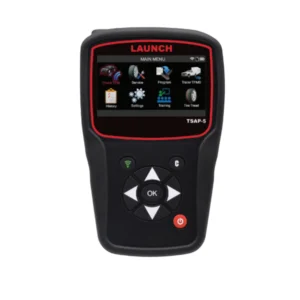 tsap-5
 TSAP-3
 Launch TPMS Sensor
 TTH-84 EV Tool Cart
 Diagnostic Add On Kit
 Modularized Wireless Equalizer – EVB 624
 EV Battery Airtightness Tester – EVT511
 EV Battery Pack Module Charging & Discharging Equipment – EVP711
 Intelligent Digital Power Supply – ELA400
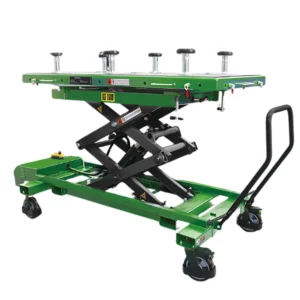 EV Battery Pack Lift – TLT615A
 EV Tool Cart – TTH116
 Professional Insulation Tester – ES200
 EV Clamp – EG100
How to Choose the Best Bidirectional Scan Tool for Your Vehicle
You clear a code. An hour later it comes right back. Sound familiar? That is usually the moment shops realize a basic code reader only tells you something is wrong, not why. A bidirectional scan tool does more. It can talk back to the car, turning on a fuel pump, cycling a relay, running a cooling fan, so you can check that a repair actually worked before the car leaves your bay.
This guide walks through what to check before you buy one, using Launch Tech USA‘s X-431 professional scan tool lineup as an example.
Vehicle Coverage for Your Bidirectional Scan Tool
Check this first. Plenty of scanners work fine on domestic cars and then fall apart the moment a European car shows up.
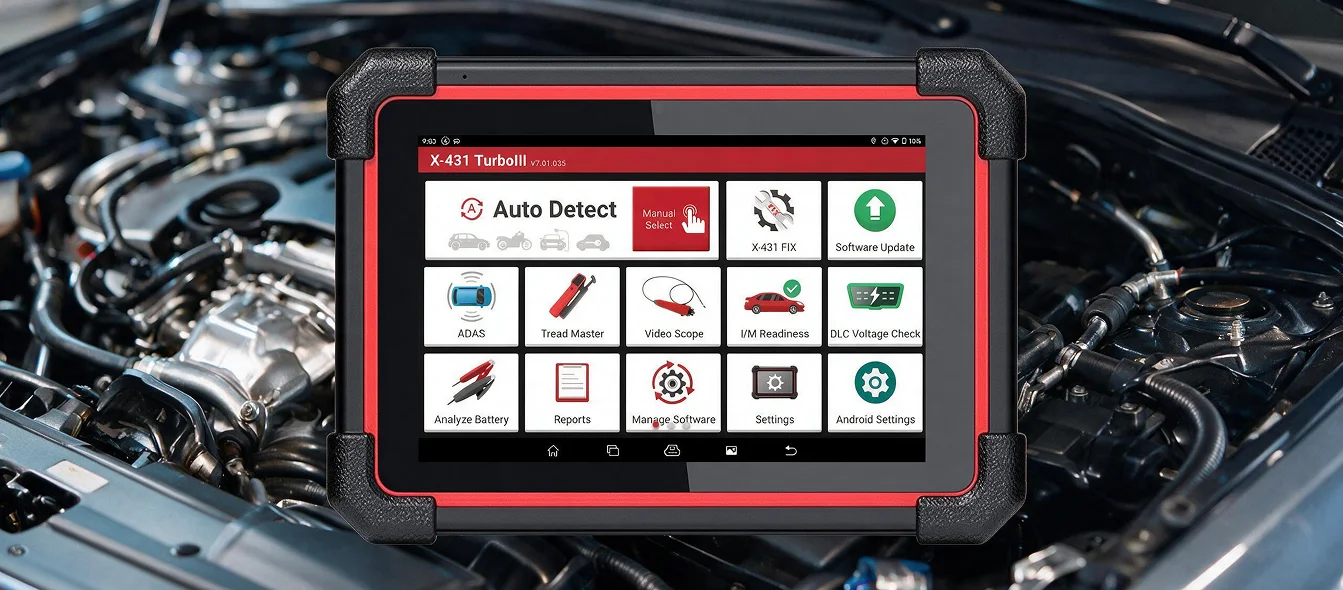
Look for support for CAN FD and DoIP. These are newer systems used in cars from the last few years, and older scanners built before these existed simply cannot talk to them. Launch’s X-431 Throttle V, Torque Link, and Turbo III covers domestic, Asian, and European vehicles back to 1996, and it also has guided VW and Audi functions for harder European jobs. That kind of range is what separates a real OE-level diagnostic scanner from something that only handles the basics.
Check How Updates Work
A scanner is only as good as its last update. Cars change every year, and a tool that stops getting updates after a year quickly falls behind.
Most good scanners come with at least a year of free updates. Ask what happens after that. Do updates keep coming, and do they cost extra? A shop using an old, outdated scanner will run into trouble on newer cars without even knowing why.
Live Data Should Be Fast and Easy to Read
Watching live sensor data while the engine runs is often how you actually find the real problem, not just a stored code. What matters here is speed and how easy the numbers are to read.
Look for a tool that shows several readings side by side at once. An oxygen sensor reading might look fine on its own, but next to fuel trim data at the same moment, a real problem can suddenly show up.
Look for Real OE-Level Testing
This is where a good scanner earns its price. A basic OBD2 tool only reads the standard codes every car has to support. OE-level access goes deeper, reaching things like transmission, ABS, and airbag systems the stuff dealers usually charge extra for.
An active test scan tool lets you turn on a part directly and watch how it reacts, instead of guessing from a code. Things like turning off a fuel injector, testing a relay, or checking throttle response tell you if a part is actually bad. Launch’s Throttle V, Torque Link, and Turbo III are built specifically for this, letting you activate valves, relays, motors, and sensors directly to test how they respond.
Think About Your Budget the Right Way
The cheapest scanner on the page is rarely the cheapest choice after a few years of use. A professional automotive diagnostic tool that stops getting updates often forces a shop to buy a second, better one within a year anyway.
Compare the price now against what you get later. Do updates keep coming after year one, and how much do they cost? Can you add tools later, like ADAS calibration or battery testing? A good scanner with room to grow usually costs less over time than a cheap one you end up replacing.
An advanced vehicle scan tool with room to grow usually costs less over time than a cheap one you end up replacing.
Which One Is Right for Your Shop
The best choice depends on the kind of work you do every day, not the longest list of features. A shop that mostly works on domestic cars needs different things than one that sees European cars every week. No matter what you work on, the same basics apply. A good bi-directional OBD2 scanner needs solid vehicle coverage, steady updates, fast live data, real OE-level testing, and a price that still makes sense a few years down the road.
Ready to see the full X-431 lineup for your shop? Check it out at launchtechusa.com.
Frequently Asked Questions
What sets it apart from a basic OBD2 reader?
A basic reader only shows fault codes and stops there. A bidirectional scan tool sends commands back to the car, turning parts like fuel pumps or relays on directly, so you can confirm a repair actually worked instead of just guessing.
Do I need OE-level testing for everyday repairs?
It depends on what you work on most. Shops that see a mix of car brands, or anything beyond basic maintenance, get real value from OE-level access since it reaches systems basic scanners cannot.
How often should a scan tool get updated?
Most good tools include at least a year of free updates. After that, check what it costs to keep updating, since a scanner that stops updating eventually cannot handle newer cars at all.
Are active tests really needed for a small shop?
Yes, even in a one-bay shop. Instead of guessing which part is bad, you turn it on directly and see how it reacts right away.
What should I focus on with a tight budget?
Vehicle coverage and updates first, extra features second. A scanner with good coverage and steady updates holds its value much longer than one packed with extras but weak on the basics.