
 ADAS Mobile Plus
 ADAS HD
 Radar 3-in-1
 ADAS Pro Plus
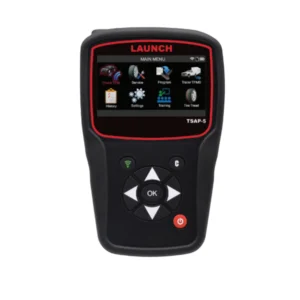 tsap-5
 TSAP-3
 Launch TPMS Sensor
 TTH-84 EV Tool Cart
 Diagnostic Add On Kit
 Modularized Wireless Equalizer – EVB 624
 EV Battery Airtightness Tester – EVT511
 EV Battery Pack Module Charging & Discharging Equipment – EVP711
 Intelligent Digital Power Supply – ELA400
 EV Battery Pack Lift – TLT615A
 EV Tool Cart – TTH116
 Professional Insulation Tester – ES200
 EV Clamp – EG100
TPMS Sensor: What It Is, How It Works, and Why It Matters
The tire pressure warning light can catch drivers by surprise. It means the car has found a tire pressure problem or that part of the monitoring system may need attention. Here’s what the system does and what to do when the light comes on.
What is a TPMS sensor?
TPMS stands for Tire Pressure Monitoring System. It checks tire pressure and warns you when it gets too low.
Some cars have a sensor inside each wheel. It measures the tire’s pressure and sends the reading to the car. Other cars use wheel speed sensors to spot changes that may mean a tire is losing air. Your owner’s manual can tell you which type your car has.
How does TPMS work?
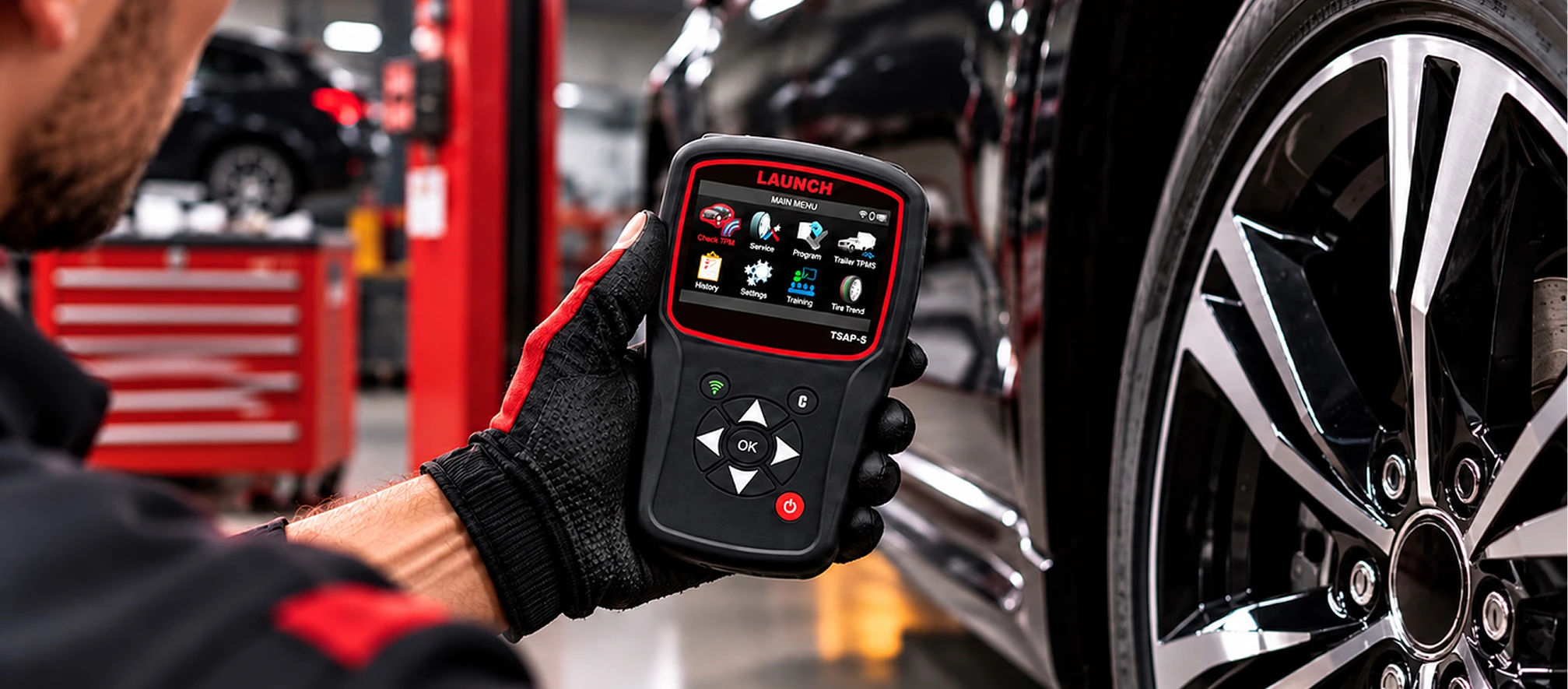
In a direct system, sensors inside the wheels send readings to the car’s computer. If the pressure drops too low, the computer turns on the warning light. A repair shop can use a TPMS tool to read the sensor and check whether it is working.
An indirect system works differently. It uses wheel speed sensors that are already part of the car. A tire with low pressure may turn at a different speed from the others. The car looks for that change and warns the driver.
Some indirect systems need to be reset after you add air or rotate the tires. Check your owner’s manual for the right steps.
Why does tire pressure matter?
The right tire pressure helps your car handle and stop as it should. It also helps tires wear evenly and last longer. Tires with too little air may wear out faster and use more fuel.
The warning light is helpful, but it may not come on as soon as a tire starts losing air. In the United States, passenger cars, light trucks, and vans from model year 2008 onward are required to have TPMS. The system warns you when pressure is already quite low.
What should you do when the light comes on?
When it’s safe, check your tires with a pressure gauge. Compare the readings with the recommended pressure on the label inside the driver’s door or in your owner’s manual. Don’t use the number printed on the tire’s sidewall as your target. That number is the tire’s maximum pressure.
If a tire looks flat or damaged, or keeps losing air, have it checked by a tire shop. If the warning light flashes and then stays on, the system may have a problem. A technician can check the sensors and find the cause.
It’s a good idea to check your tires once a month, when they’re cold. The warning light may not catch a slow leak right away, so regular checks still matter.
When might a sensor need to be replaced?
A sensor can stop working if it gets damaged or its battery runs out. In many sensors, the battery is built in, so a technician may need to replace the whole sensor.
After a sensor replacement or tire rotation, the car may need to learn which sensor is on each wheel. The steps depend on the vehicle. A shop can check the correct procedure before starting the work.
TPMS tools help technicians check sensors and carry out service steps. Launch Tech USA’s TSAP-3 can read many original and aftermarket sensors and guide technicians through vehicle-specific relearn steps. The TSAP-5 can also program sensors and read TPMS fault codes. Launch also offers a programmable TPMS sensor for a wide range of vehicles. Shops should check that a sensor works with the vehicle before installing it.
A warning light is only one part of tire care
TPMS can alert you to low pressure, but it doesn’t replace regular tire checks. Check the pressure, look for damage, and use the recommended pressure for your vehicle. If the warning light stays on after you add air, or comes back soon after, have the tires and system checked.