
 ADAS Mobile Plus
 ADAS HD
 Radar 3-in-1
 ADAS Pro Plus
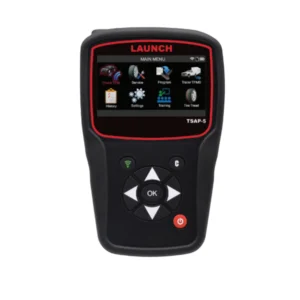 tsap-5
 TSAP-3
 Launch TPMS Sensor
 TTH-84 EV Tool Cart
 Diagnostic Add On Kit
 Modularized Wireless Equalizer – EVB 624
 EV Battery Airtightness Tester – EVT511
 EV Battery Pack Module Charging & Discharging Equipment – EVP711
 Intelligent Digital Power Supply – ELA400
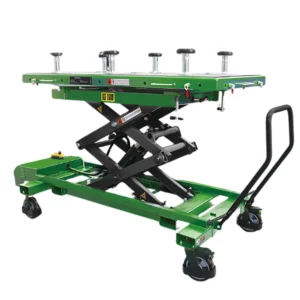 EV Battery Pack Lift – TLT615A
 EV Tool Cart – TTH116
 Professional Insulation Tester – ES200
 EV Clamp – EG100
How Long Does ADAS Calibration Take
You got a new windshield, and now the shop says ADAS calibration is the last step. How long will your car be stuck there? Most jobs take one to three hours. Some are done in under an hour, and a few take longer. Here is what changes the time, and how good tools help a shop work faster.
What Are These Sensors?
ADAS stands for advanced driver assistance systems. These are the cameras and radar in your car that help you drive safely. They warn you when you drift out of your lane, help with cruise control, and spot cars in your blind spot.
The sensors only work well when they face the right way. Even a small bump can turn them a little, and then they read the road wrong. Calibration puts them back in the right spot.
When Does a Car Need It?
Calibration is needed after anything that can move a sensor. A new windshield is the most common reason, because many cameras sit on the glass. A crash can move a sensor too, even a small one. A wheel alignment, new tires that change the car’s height, or a repair near the radar can also need it. A warning light that stays on for no reason is another sign.
Two Ways to Calibrate
There are two methods, and the method changes how long the job takes.
Static calibration is done inside the shop. The tech puts a target in front of the car and plugs in a scan tool. Then the tech follows the car brand’s steps. Placing the target takes time, because it has to sit at the exact distance and height.
Dynamic calibration needs no target. The tech plugs in a scan tool and drives the car at set speeds on roads with clear lane lines. A basic dynamic job can finish in under an hour.
Many cars need both methods in one visit, which adds time.
How Long Does It Take?
Here are some rough numbers. Your car may be different.
- A small bumper repair on a pickup, with dynamic work only, takes about 45 to 75 minutes.
- A new windshield on a mid-size sedan takes about 1.5 to 2.5 hours.
- A full front-end rebuild on an electric car takes about 2.5 to 3 hours or more.
The time also depends on how many sensors the car has. More sensors mean more checks. Each car brand has its own steps, so the shop always follows the guide for your exact car.
How the Right Tools Save Time
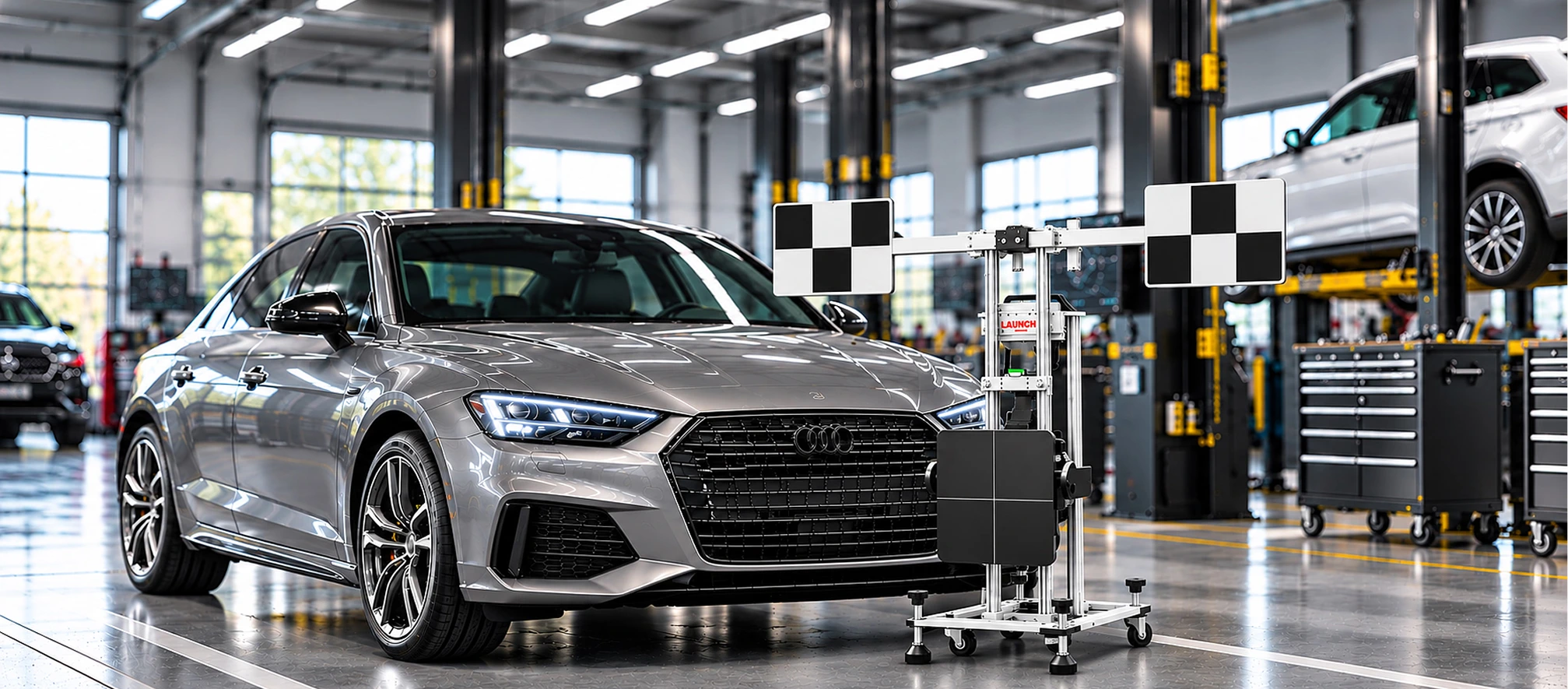
In a static job, most of the time goes into setting up the target. So the stand matters a lot. Launch Tech USA offers four ADAS tools built to make setup faster. All of them work with Launch diagnostic tools.
ADAS Pro Plus is a professional frame with an electric lift to raise and lower the target. Laser tools measure height, distance, and angle. A center laser lines the frame up with the car. The frame does much of the measuring, so the tech does less by hand.
ADAS Mobile Plus is made for lane departure warning calibration. It weighs about 50 lbs, so it is easy to carry. The arms fold, and the four wheels lock in place. A digital laser meter reads the target height. It suits mobile techs and small shops.
Radar 3-in-1 is for cruise control, blind spot, and lane departure warning calibration. Three targets sit on one stand, so the tech does not need to swap stands. Height changes with one button, and it comes with a travel case.
ADAS HD is a heavy-duty frame for commercial vehicles like trucks. It folds into one piece for easy storage. It lifts the target up to 3 meters (9.8 ft). A center laser and wheel clamps help line it up with the truck.
Launch does not list set times for these tools, because every job depends on the car. What the tools do is cut the slow parts of setup, and that is where shops lose the most time.
Final Thoughts
Plan on one to three hours. The type of car and the number of sensors decide where you land. For shops, better tools mean faster setup and less waiting. Check out the full range of Launch Tech USA ADAS tools and pick the stand that fits the jobs you do most.