
 ADAS Mobile Plus
 ADAS HD
 Radar 3-in-1
 ADAS Pro Plus
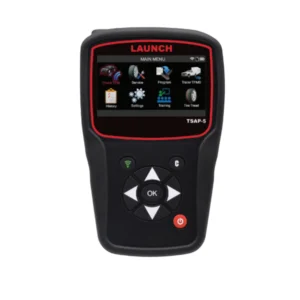 tsap-5
 TSAP-3
 Launch TPMS Sensor
 TTH-84 EV Tool Cart
 Diagnostic Add On Kit
 Modularized Wireless Equalizer – EVB 624
 EV Battery Airtightness Tester – EVT511
 EV Battery Pack Module Charging & Discharging Equipment – EVP711
 Intelligent Digital Power Supply – ELA400
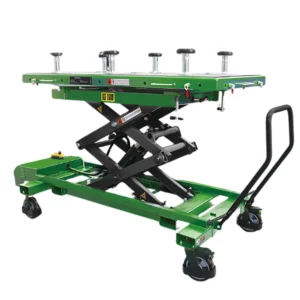 EV Battery Pack Lift – TLT615A
 EV Tool Cart – TTH116
 Professional Insulation Tester – ES200
 EV Clamp – EG100

Can You Use Metal Tools on a Car Battery
One wrench lying across two battery posts can cause sparks and a bad burn. That is why many people feel nervous about touching their battery. Here is the good news. You can use metal tools on a car battery. Mechanics do it every day. What matters is how you use them. This guide explains what can go wrong and how to keep yourself safe.
Yes, You Can Use Metal Tools
Steel wrenches and sockets are the normal choice for battery work. The metal is not the problem. The problem is what the metal can touch while you work. A battery holds a lot of power, and metal carries power very well. If a tool touches the wrong two spots, all that power rushes through it.
What Goes Wrong
Say your wrench sits on the positive post. Its other end touches the metal body of the car. The negative side of the battery is connected to that body, so the wrench just made a shortcut for the power. This is called a short circuit. The wrench gets hot very fast. You can get sparks, a burn, or a wrench stuck to the post.
There is one more danger. A battery can give off a gas that burns easily. One spark near it can set that gas on fire. In rare cases, the battery can crack and spray acid. So always wear safety glasses.
Pick the Right Tools
Good car battery tools do not need to be fancy. A simple socket set or a small ratchet works for most battery nuts. Short handles are better than long ones. A long handle can swing and touch things it should not. Tools with rubber grips add more safety. If your tools have bare metal, wrap the handle in electrical tape and leave only the tip open. A wire brush for cleaning the posts and a pair of rubber gloves help a lot too.
How to Take Off and Put On a Battery
Follow these steps in order.
- Turn off the car and take out the key.
- Take off any metal jewelry. A ring or watch can cause a shortcut too.
- Put on safety glasses and gloves.
- Loosen the negative clamp first. It is usually black and has a minus sign. Move the cable away so it cannot touch the post.
- Loosen the positive clamp next. It is usually red and has a plus sign.
- Lift out the battery or do your work.
To put it back, do the opposite. Connect the positive cable first. Connect the negative cable last.
Why does the order matter? The negative cable is joined to the car body. When it is off, your wrench can touch the body and nothing happens. Putting it on last keeps you safe until the very end.
Mistakes to Avoid
Putting tools on top of the battery: Tools slide around. One slip can touch both posts. Keep a cloth next to you and lay your tools on it.
Tightening too hard: The posts and clamps are made of soft metal. Snug is enough. Too much force can crack them.
Ignoring the white or blue crust: This crust builds up on the posts and blocks power. It can make your car slow to start. Mix baking soda with water, scrub the crust off with a brush, and wipe it dry before you connect the cables.
Leaving the battery loose: Make sure the battery is held tightly in place when you finish. A loose battery can shake while you drive and get damaged.
When to Call a Mechanic
Stop if the battery looks puffed up or cracked. Stop if liquid is leaking out. A smell like rotten eggs is a warning too. These signs mean the battery is damaged inside. It is not worth the risk to handle it yourself. A local shop can check it and replace it safely.
Conclusion
Metal tools and car batteries can work together just fine. Go slowly and keep your tools away from the wrong spots. Follow the right order every time. A few careful minutes keep both you and your car safe.