ADAS Mobile Plus
 ADAS HD
 Radar 3-in-1
 ADAS Pro Plus
 tsap-5
 TSAP-3
 Launch TPMS Sensor
 TTH-84 EV Tool Cart
 Diagnostic Add On Kit
 Modularized Wireless Equalizer – EVB 624
 EV Battery Airtightness Tester – EVT511
 EV Battery Pack Module Charging & Discharging Equipment – EVP711
 Intelligent Digital Power Supply – ELA400
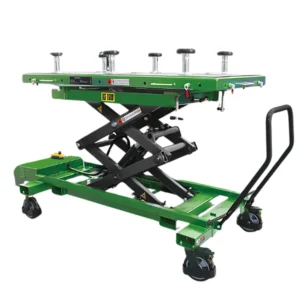 EV Battery Pack Lift – TLT615A
 EV Tool Cart – TTH116
 Professional Insulation Tester – ES200
 EV Clamp – EG100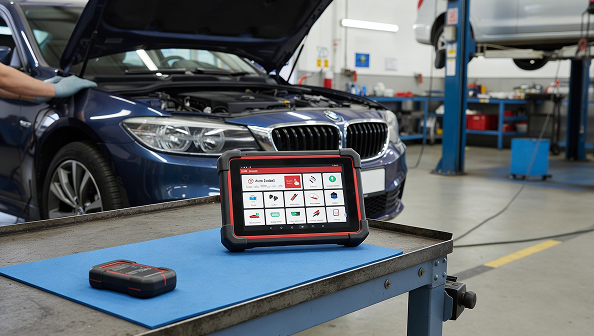
Entry-Level vs Professional Car Scan Tools
Modern vehicles in the USA are essentially rolling computers. From the Engine Control Module to the complex Advanced Driver Assistance Systems, the technology under the hood requires more than just a mechanical eye. It requires sophisticated diagnostic hardware. When you choose a device, the market generally divides into two categories. These are entry-level DIY tools and professional-grade scan tools.
For many automotive enthusiasts and professional technicians, the gap between these two categories matters. Choosing the wrong tool leads to missed revenue for a shop or unnecessary expenses for a hobbyist. By exploring the differences in depth, you determine which level of diagnostic power meets your specific needs.
Understanding Entry-Level Car Scan Tools
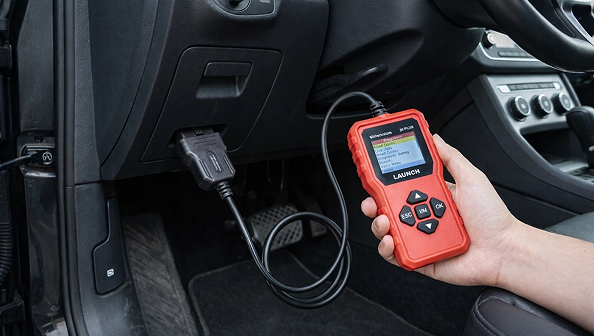
Entry-level scan tools, often categorized under the Millennium DIY line, primarily serve the Do-It-Yourself market or basic tasks in a general repair shop. These devices are often compact and handheld. They focus on the most common diagnostic standard known as On-Board Diagnostics II.
The Core Functionality
The main purpose of an entry-level tool involves reading and clearing Diagnostic Trouble Codes. When a Check Engine light appears on the dashboard of a vehicle, an entry-level tool pulls the alphanumeric code. It allows the user to turn off the warning light once the repair finishes.
Most of these tools limit access to the four main systems. These include the Engine, Transmission, ABS, and SRS. While this works for a homeowner troubleshooting a simple sensor issue, it rarely goes deep enough into the vehicle communication network. It often misses complex electrical or software-related faults.
Portability and Simplicity
One of the greatest advantages of the entry-level tool involves ease of use. These plug-and-play devices connect directly to the 16-pin OBD-II port. This port usually sits under the driver’s side dashboard. The tool powers up instantly. The interface stays simple. It often uses physical buttons rather than touchscreens. This design makes them durable for a home garage environment.
Limitations of Entry-Level Tools
While useful, entry-level tools act as read-only or limited-write devices. They show you what is wrong, but they cannot tell the car to perform a specific action. For example, if you replace a battery in a modern European car sold in the USA, the vehicle often requires Battery Registration to update the charging algorithm. An entry-level tool generally lacks the software permissions to perform this reset.
Defining Professional Car Scan Tools
Professional car scan tools, such as the X-431 Throttle III, Torque, and Turbo in the Launch Tech USA lineup, serve full-time technicians. These tools utilize powerful operating systems. They offer a depth of access that entry-level tools simply cannot match.
Bi-Directional Control and Active Tests
The most significant difference between professional and entry-level tools involves bi-directional control. While an entry-level tool only receives data from the car, a professional tool sends commands to the car.
For instance, if a technician suspects a fuel pump failure, they use an X-431 tool to command the fuel pump to turn on or off. This allows the technician to verify the component physically without taking the car apart. This active testing defines professional diagnostics in the USA because it saves hours of manual labor.
Coding and Programming
Modern vehicles require software synchronization when you install new parts. If you replace a transmission control module or an injector, the car computer needs information about the new part. Professional tools offer ECU coding and, in higher-tier models, J2534 ECU programming capabilities. This allows shops to keep complex repairs in-house rather than sending customers back to the dealership.
All-System Access and Topology Mapping
While entry-level tools look at four systems, professional tools look at dozens. They scan over 100 modules in a single vehicle. This includes the climate control, body control module, infotainment, seat electronics, and high-tech ADAS cameras. Advanced professional tools even provide a Topology Map. This visual diagram displays the entire vehicle communication network. It shows exactly which modules talk and which stay silent.
Comparing Software and Updates
In the USA, automotive technology moves fast. New car models arrive every year with updated encryption and communication protocols.
- Entry-Level Updates: The Millennium tools often come with lifetime free updates, but these updates arrive infrequently. Because the tool only handles basic data, it does not require frequent updates.
- Professional Updates: The X-431 series requires frequent updates to maintain compatibility with the latest vehicle makes and models. These tools usually require an annual subscription after the initial period. This ensures the technician possesses the latest fix data, wiring diagrams, and software patches for 2026 models and beyond.
Build Quality and Hardware Specifications
The physical environment of a professional shop can be harsh. The tools drop, encounter oil, and work for eight hours a day.
- Hardware: Professional tools function like rugged tablets. They feature large high-definition touchscreens, fast processors, and significant internal storage. They save health reports and record data streams. They also utilize Bluetooth or Wi-Fi VCI connectors. This allows the technician to walk around the car while still controlling the diagnostics.
- Entry-Level Build: These tools usually consist of lightweight plastic. They almost always utilize a physical cable. This limits user movement and creates a point of failure if the wires pinch or bend over time.
Data Stream and Graphing
Understanding a fault often requires looking at Live Data. For example, watching the oxygen sensor voltage fluctuate in real time tells a technician whether an engine is running lean or rich.
Entry-Level tools display live data, but usually only in text format and at a slow refresh rate. Professional tools support PID Graphing, where multiple data streams can be overlaid on a single graph. This allows a technician to see exactly when a sensor fails, in relation to another component. This helps diagnose intermittent problems that do not always trigger a permanent code.
The Cost-Benefit Analysis for USA Shops
In the USA, the labor rate for automotive repair remains high. Efficiency determines profitability. An entry-level tool might cost between $ 50 and $ 200. It is a great investment for a student or a car owner who wants to save money on routine repairs.
A professional scan tool costs anywhere from 800 to several thousand dollars. While the price stays higher, the return on investment comes from diagnostic time. If a professional tool allows a technician to find a fault in 15 minutes that takes two hours with an entry-level tool, the device pays for itself in a matter of months. Furthermore, the ability to perform Resets allows the shop to bill for services that an entry-level tool simply cannot perform.
Conclusion
The primary difference between entry-level and professional car scan tools lies in the transition from simple data reading to advanced vehicle interaction. Entry-level tools work excellently for basic troubleshooting and clearing simple codes, making them perfect for DIY enthusiasts. However, professional tools provide the bi-directional control, ECU coding, and all-system access required to run a modern repair business in the USA. While entry-level tools identify the symptoms, professional tools allow technicians to interact with the vehicle’s brain to provide a complete solution.
Experience the power of dealership-level diagnostics by exploring the professional tool lineup at Launch Tech USA.